
Blog
Commercial Kitchen Plumbing & Grease Management for Rochester Restaurants
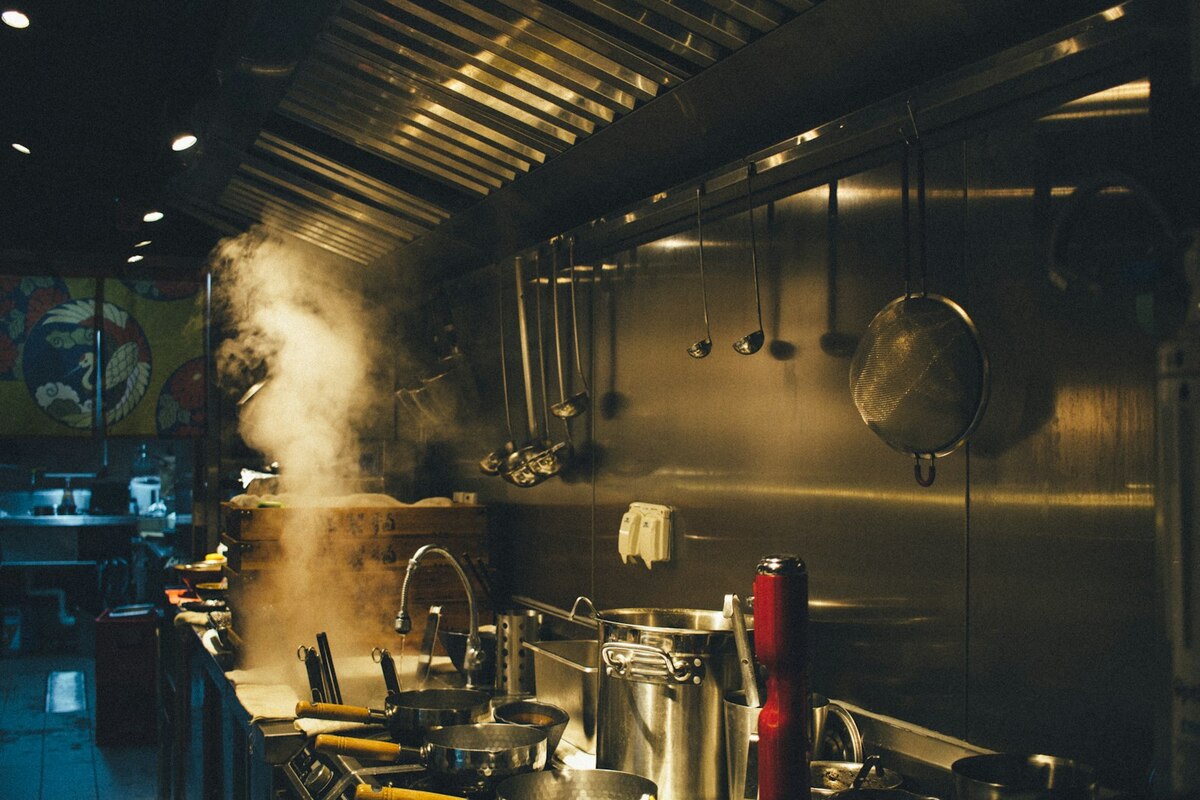
A commercial kitchen runs on its plumbing as much as its cooking equipment. Drains, grease management, water supply, and fixtures all face heavy, continuous demand, and when any of them fail, the kitchen stops. In Rochester, NY, summer brings peak business for many restaurants, banquet facilities, and institutional kitchens, which makes a plumbing failure during this season especially costly. The team at Baker Mechanical Systems has spent decades keeping commercial kitchen plumbing reliable across Western New York, and the message to operators is consistent: the grease and drainage problems that shut kitchens down are almost always preventable with the right maintenance.
Commercial kitchen plumbing is its own discipline. The volume of grease, food solids, and hot water moving through these systems creates failure modes that ordinary plumbing never sees. Below is a practical look at what commercial kitchen operators in Rochester should focus on, especially through the busy summer season, and how Baker Mechanical Systems approaches keeping these systems running.
Why Kitchen Plumbing Fails Differently
The conditions inside a commercial kitchen drain are unlike anywhere else in a building. Several factors combine to create persistent risk:
- Fats, oils, and grease that solidify as they cool in drain lines
- High volumes of food solids entering the drainage system
- Continuous hot water and steam exposure on fixtures and lines
- Peak-demand periods that overwhelm marginal systems
- Health-code requirements that make any failure a compliance issue
A grease blockage that builds slowly through a slow season can fail completely under the demand of a busy summer night. The Baker Mechanical team approaches kitchen plumbing with the specific demands of food service in mind.
Grease Management: The Core Issue
Grease is the single biggest threat to commercial kitchen plumbing. Fats, oils, and grease enter the drain as liquid and solidify as they cool, gradually narrowing and eventually blocking lines. Proper grease management is non-negotiable, and the Baker Mechanical team addresses it through commercial plumbing service that includes:
- Grease interceptor and grease trap inspection and service
- Drain line condition assessment
- Identification of locations where grease accumulation is recurring
- Recommendations on cleaning frequency based on actual usage
- Coordination with grease hauling and disposal requirements
A properly sized and maintained grease interceptor protects the entire downstream drainage system and keeps the kitchen in compliance with local requirements.
1. Grease Traps and Interceptors
The grease trap or interceptor is the kitchen's first line of defense. When it is undersized, poorly maintained, or serviced too infrequently, grease passes through into the building's drain lines and the municipal system. Common problems the Baker Mechanical team finds include:
- Interceptors serviced on a calendar that does not match actual grease load
- Units that are undersized for the kitchen's volume
- Damaged baffles or fittings reducing effectiveness
- Recurring backups pointing to deeper line issues
Matching service frequency to actual usage, rather than a generic schedule, is one of the most effective ways to prevent grease-related failures.
2. Drain Lines and Floor Drains
Beyond the grease interceptor, the kitchen's drain lines and floor drains take constant abuse. Baker Mechanical Systems regularly addresses:
- Slow drains that signal developing blockages
- Floor drain condition and trap integrity
- Recurring backups that point to line problems
- Proper slope and venting on drainage runs
- Camera inspection of lines where recurring issues occur
Catching a developing drain problem early prevents the mid-service backup that forces a kitchen to close at the worst possible moment.
3. Water Supply, Fixtures, and Hot Water
A commercial kitchen depends on reliable hot water and functioning fixtures for both operation and sanitation. The Baker Mechanical team evaluates:
- Hot water capacity and recovery for peak demand
- Fixture condition and leak prevention
- Backflow protection on kitchen equipment connections
- Dishwashing and sanitation system water supply
- Pre-rinse and prep station performance
Sanitation requirements make reliable hot water a compliance matter, not just a convenience. Capacity that is adequate in winter can fall short under summer peak demand.
The Cost of a Kitchen Plumbing Failure
When kitchen plumbing fails, the costs compound quickly: lost revenue from closing, potential health-code violations, emergency service premiums, and damage to reputation. A grease backup during a busy summer service is one of the most disruptive events a restaurant can face. Baker Mechanical Systems approaches kitchen plumbing maintenance specifically to keep operators out of that scenario.
If your Rochester food service operation has not had its kitchen plumbing and grease management evaluated recently, scheduling that review before the busy season peaks is one of the most cost-effective steps available. Contact Baker Mechanical Systems to arrange a commercial kitchen plumbing assessment.
How Kitchen Plumbing Connects to the Whole Facility
Kitchen plumbing intersects with the rest of the building's systems. Hot water demand ties into the building's mechanical equipment, ventilation interacts with kitchen exhaust, and drainage connects to the property's larger plumbing infrastructure. Baker Mechanical handles commercial HVAC alongside plumbing, which means kitchen ventilation, makeup air, and related concerns can be coordinated with plumbing work through one relationship.
This integrated view matters because kitchen comfort and air quality depend on the interaction of exhaust, makeup air, and cooling, not plumbing alone.
Documentation That Supports Compliance
Commercial kitchens operate under health-code scrutiny, and documentation supports compliance. Baker Mechanical Systems delivers records that include:
- Grease interceptor service history and dates
- Drain line inspection findings
- Recommended service frequencies based on usage
- Any repairs performed and their results
- Records organized for health-department review
Operators with consistent maintenance records experience smoother inspections and fewer surprises.
Why Local Experience Matters
Rochester's food service community operates within specific local requirements for grease disposal and plumbing compliance. Baker Mechanical Systems has built decades of experience working with Western New York commercial kitchens, and our project history reflects work across restaurants, institutional kitchens, and food service facilities throughout the region.
Local experience translates into maintenance strategies that keep kitchens compliant and operational under the specific demands they face here.
Keeping the Kitchen Running
The kitchens that stay open through a busy summer are the ones that maintained their plumbing before problems forced the issue. A structured assessment, grease interceptor service, drain line inspection, hot water verification, and proper documentation, protects both revenue and compliance through the most demanding months.
If your Rochester food service operation depends on reliable kitchen plumbing through the summer, contact Baker Mechanical Systems. The Baker Mechanical team will inspect, service, document, and recommend, keeping your kitchen running through every service of the season.
‹ Back
Recent Posts
-

-

Fall Boiler Startup & Inspection for Rochester, NY Commercial Buildings
September 2, 2026
-

-

Compressed Air System Efficiency for Rochester, NY Manufacturers
August 26, 2026
-