


Blog
Steam Trap Surveys: Cutting Heating Costs in Rochester, NY Facilities
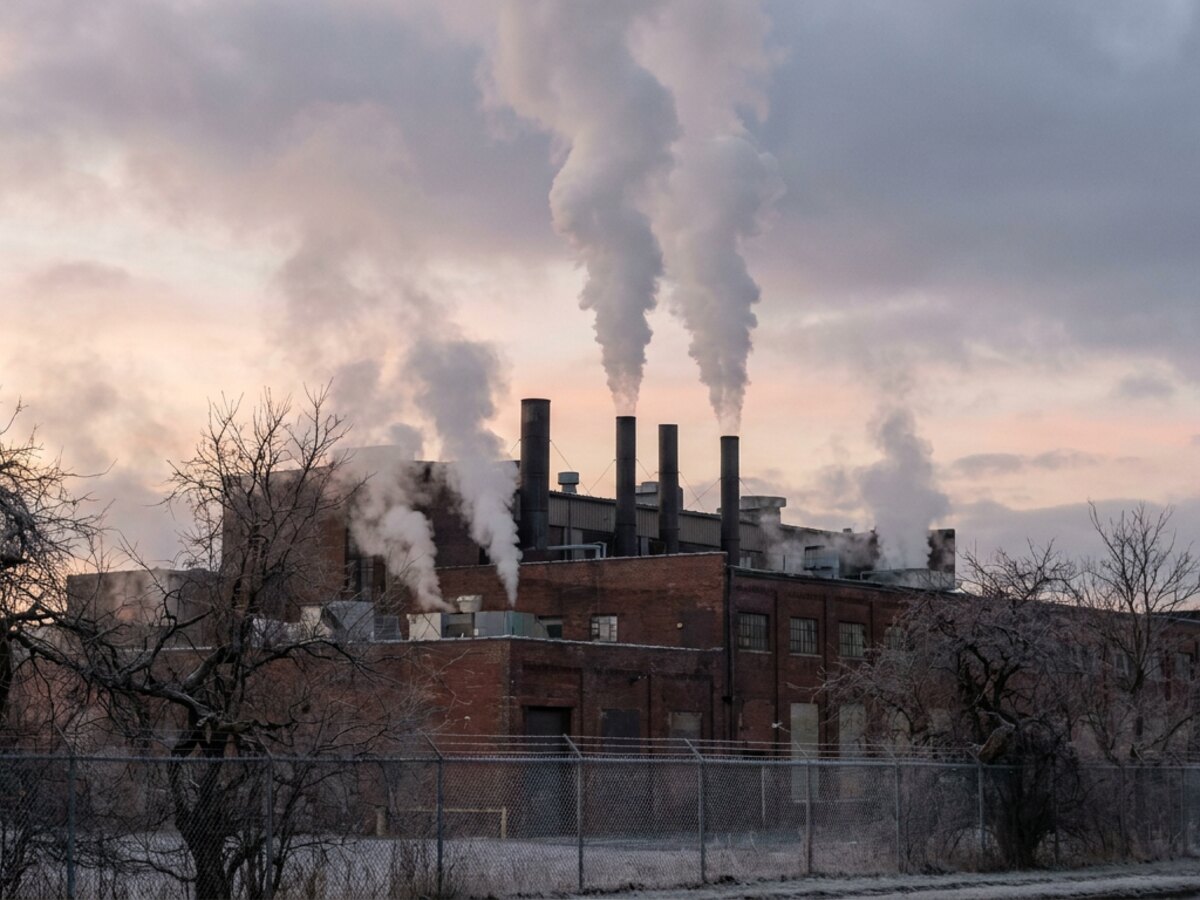
Steam systems are among the most forgiving pieces of equipment in a facility, and that is precisely the problem. A steam trap can fail and the building will keep heating. Nothing alarms, nothing stops, and the loss shows up only as a fuel bill that creeps higher every year. The team at Baker Mechanical Systems has surveyed steam systems across Rochester, NY facilities, and it is common to find a meaningful share of traps in a failed or degraded state, quietly venting energy straight out of the system.
October is the right month to address this. The heating season is just beginning, which means corrections made now pay back across the entire winter rather than the tail end of it. Below is a practical look at steam trap surveys and how Baker Mechanical Systems approaches them.
Why Failed Traps Go Unnoticed
A steam trap exists to discharge condensate while holding back live steam. When it fails, it usually fails in one of two directions, and neither announces itself:
- Failed open, passing live steam continuously into the return
- Failed closed, backing up condensate and starving heat transfer
- Partially degraded, wasting energy without an obvious symptom
- Blowing through intermittently, which is hard to catch by chance
Because heat still reaches the building, nobody files a complaint. The Baker Mechanical team finds these failures by testing rather than waiting for symptoms.
What a Failing Trap Population Costs
Individually, one failed trap is a small loss. Across a facility running dozens or hundreds, the arithmetic changes:
- Continuous fuel consumption with no useful heat delivered
- Overloaded condensate return systems
- Reduced heat transfer where condensate backs up
- Water hammer and accelerated wear on piping
- Boiler plant working harder than the actual load requires
Baker Mechanical Systems evaluates these conditions through industrial maintenance programs built around finding losses before they become permanent operating costs.
1. Building an Accurate Trap Inventory
Many facilities do not know how many steam traps they have. Piping has been extended, equipment added, and sections abandoned over decades. The Baker Mechanical team starts by establishing:
- Location and identification of each trap
- Trap type, size, and application
- What each trap serves and how critical it is
- Accessibility for testing and future replacement
An inventory turns an unmanageable system into something that can be surveyed on a repeatable schedule.
2. Testing and Classifying Condition
With an inventory in place, each trap can be assessed and sorted by condition. Baker Mechanical Systems documents:
- Traps operating correctly
- Traps failed open and wasting steam
- Traps failed closed and impairing heat transfer
- Traps showing early signs of degradation
- Traps that are misapplied for their duty
Classification matters because it drives priority. Not every failure needs immediate attention, but the expensive ones should be corrected first.
3. Prioritizing Repairs by Return
A survey that recommends replacing everything at once is rarely actionable. The Baker Mechanical team sequences work by:
- Energy loss associated with each failure
- Impact on process or building heat
- Risk of consequential damage such as water hammer
- Practical grouping of work to reduce labor and downtime
This produces a plan a facility can actually fund and execute, starting with the corrections that pay back fastest.
Acting Early in the Season
Every week a failed trap stays in service during heating season is fuel spent for nothing. Surveying in October means corrections are in place before the coldest months, when losses are largest.
If your Rochester facility runs steam and has not surveyed its traps recently, contact Baker Mechanical Systems to get an assessment scheduled.
Looking at the Whole Steam System
Traps are one component in a larger system, and isolated fixes can miss the real issue. Baker Mechanical handles process piping alongside mechanical service, which means insulation, condensate return, and piping condition are evaluated together with trap performance.
Looking at the whole system prevents the common outcome where new traps are installed into conditions that will fail them again.
Documentation That Supports the Next Survey
A steam trap survey is most valuable when it becomes a baseline rather than a one time report. Baker Mechanical Systems delivers records that include:
- Full trap inventory with locations and types
- Condition findings for each trap tested
- Recommended repairs with priority
- Work performed and results
- A reference point for measuring change at the next survey
Over successive years, these records reveal failure patterns and let a facility replace on a schedule instead of by surprise.
Why Local Experience Matters
Rochester's long heating season means steam losses accumulate over more months than they would in a milder climate. Baker Mechanical Systems has worked on industrial and institutional steam systems across Western New York for decades, and our project history reflects that depth.
That experience shows up in recommendations that account for how a system is actually operated, not just how it was specified.
Recovering Energy You Are Already Paying For
Steam trap work is unglamorous and reliably profitable. The energy is already being purchased. A survey simply determines how much of it is doing useful work and how much is being discharged. For most facilities, closing that gap is among the least expensive efficiency measures available.
If you want to know what your steam system is losing, contact Baker Mechanical Systems. The Baker Mechanical team will inventory, test, prioritize, and document, so your heating dollars stay in the building.
‹ Back