
Blog
Commercial Plumbing in Rochester, NY: Common Failures in Aging Office and Industrial Buildings
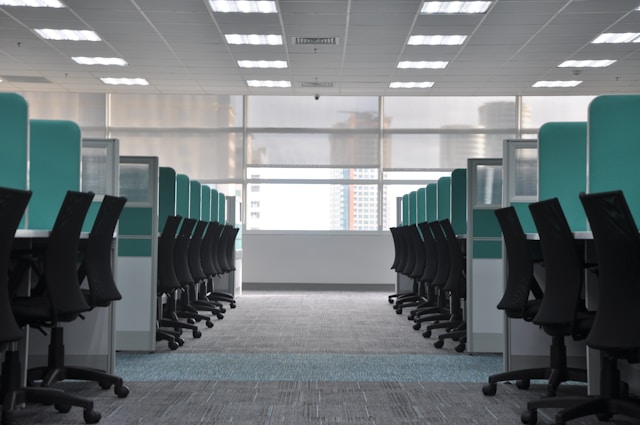
Across Rochester, many office buildings, manufacturing facilities, schools, and commercial properties were built decades ago. While the structures themselves may still be sound, the plumbing infrastructure behind the walls and beneath the floors often tells a different story.
Commercial plumbing systems are designed for durability, but no system lasts forever. Over time, age, usage demands, seasonal freeze-thaw cycles, and deferred maintenance begin to surface in ways that can disrupt operations and create unnecessary risk.
Understanding the most common plumbing failures in aging office and industrial buildings helps property owners and facility managers make informed, proactive decisions — rather than reacting to emergencies.
1. Corroded and Deteriorating Supply Lines
Many older commercial buildings in Rochester still operate with original galvanized steel or aging copper supply lines. Over time, corrosion builds from the inside out. What starts as minor scaling can eventually reduce water pressure, compromise water quality, or create pinhole leaks.
In industrial settings where water demand is high, this deterioration accelerates. Corrosion isn’t always visible until a leak appears — and by that point, damage may already extend beyond the piping itself.
Routine inspection and long-term replacement planning are key components of responsible commercial plumbing in Rochester, NY.
2. Failing Underground Plumbing and Sewer Lines
Underground plumbing is often “out of sight, out of mind.” But aging sewer lines and water services are among the most disruptive failures a commercial property can experience.
Common issues include:
- Pipe collapse due to soil shifting
- Root intrusion
- Joint separation in older clay or cast-iron systems
- Freeze-related cracking
Rochester’s climate adds additional stress. Repeated freeze-thaw cycles shift soil and increase ground movement, putting pressure on buried infrastructure.
When underground failures occur, they don’t just affect plumbing — they can impact parking lots, foundations, and daily business operations.
3. Outdated Backflow Prevention Systems
Backflow prevention is critical in commercial and industrial environments. Older systems may not meet current code requirements or may fail routine inspection due to wear.
Common issues include:
- Worn internal seals
- Corrosion within assemblies
- Improper installation from decades past
- Lack of documented annual testing
Maintaining compliant backflow systems protects not only the building but the public water supply. It is a key part of responsible commercial facility management.
4. Drainage and Stormwater Challenges
Aging office parks and industrial sites often struggle with drainage issues that weren’t designed for today’s site demands. Over time, catch basins clog, underground storm lines deteriorate, and site grading shifts.
When drainage fails, water intrusion becomes a building issue — not just a landscaping problem.
In Rochester, spring thaw and heavy rainfall expose these weaknesses quickly. Proactive inspection of storm drainage systems is an essential part of commercial plumbing oversight.
5. Restroom Fixture Wear and High-Use Failures
Office buildings and industrial facilities experience heavy restroom usage. Flush valves, supply stops, and commercial-grade fixtures are built for volume — but they still wear down over time.
Facility managers often encounter:
- Recurring leaks at flush valves
- Inconsistent water pressure
- Failed mixing valves
- Loose or aging connections behind walls
While these may seem minor, repeated small failures add up — both in water loss and maintenance time.
6. Boiler and Mechanical Room Plumbing Deterioration
In commercial mechanical rooms, plumbing systems connect directly with heating infrastructure, process systems, and domestic water distribution.
Aging mechanical piping can show signs of:
- Insulation breakdown
- Joint corrosion
- Slow seepage at fittings
- Outdated valve assemblies
Mechanical rooms tell a story. Buildings that invest in inspection and preventive replacement often avoid emergency shutdowns later.
7. Deferred Maintenance Compounding Risk
One of the most common causes of plumbing failure in aging commercial buildings isn’t a single defect — it’s accumulated postponement.
Small leaks are monitored instead of repaired. Aging valves are left in place because they “still work.” Underground systems are assumed to be fine because there are no visible issues.
Over time, these minor deferrals compound into larger operational disruptions.
Commercial plumbing systems are interconnected. A failure in one area often stresses another.
The Business Impact of Plumbing Failures
In office environments, plumbing disruptions affect employee productivity and tenant satisfaction. In industrial buildings, downtime can halt production entirely.
Consequences often include:
- Business interruption
- Water damage remediation
- Insurance claims
- Tenant dissatisfaction
- Regulatory complications
Reliable infrastructure isn’t just about pipes — it’s about business continuity.
Proactive Planning vs. Emergency Reaction
The difference between stable building operations and emergency service calls often comes down to one thing: proactive assessment.
For aging office and industrial properties in Rochester, that means:
- Periodic system inspections
- Evaluating original piping materials
- Reviewing drainage performance
- Verifying code compliance on backflow systems
- Planning phased replacements before failure occurs
This approach reduces stress for facility managers and stabilizes long-term operating costs.
Commercial Plumbing in Rochester, NY: Why Experience Matters
Aging infrastructure requires more than surface-level repair. It requires understanding how systems were originally designed, how Rochester’s environment affects them, and how modern building demands change usage patterns.
Baker Mechanical Systems works with commercial and industrial facilities throughout Rochester, NY to evaluate plumbing infrastructure, identify risk points, and implement long-term solutions that support operational reliability.
Whether addressing underground services, backflow systems, drainage challenges, or mechanical room piping, the focus remains consistent: protect the building so the business can focus on its work.
Planning Ahead Protects Your Building
If you manage or own an aging office or industrial property in Rochester, reviewing your plumbing infrastructure before issues escalate is one of the most responsible steps you can take.
To discuss your facility’s commercial plumbing systems or schedule an evaluation, contact the team at Baker Mechanical Systems.
Infrastructure may not always be visible — but when it’s reliable, everything else runs more smoothly.
‹ Back
Recent Posts
-
Roof Drains and Storm Piping: Surviving Leaf Season in Rochester, NY
October 22, 2026
-
-

-
-