
Blog
Cooling Tower Startup and Maintenance for Rochester Commercial Properties
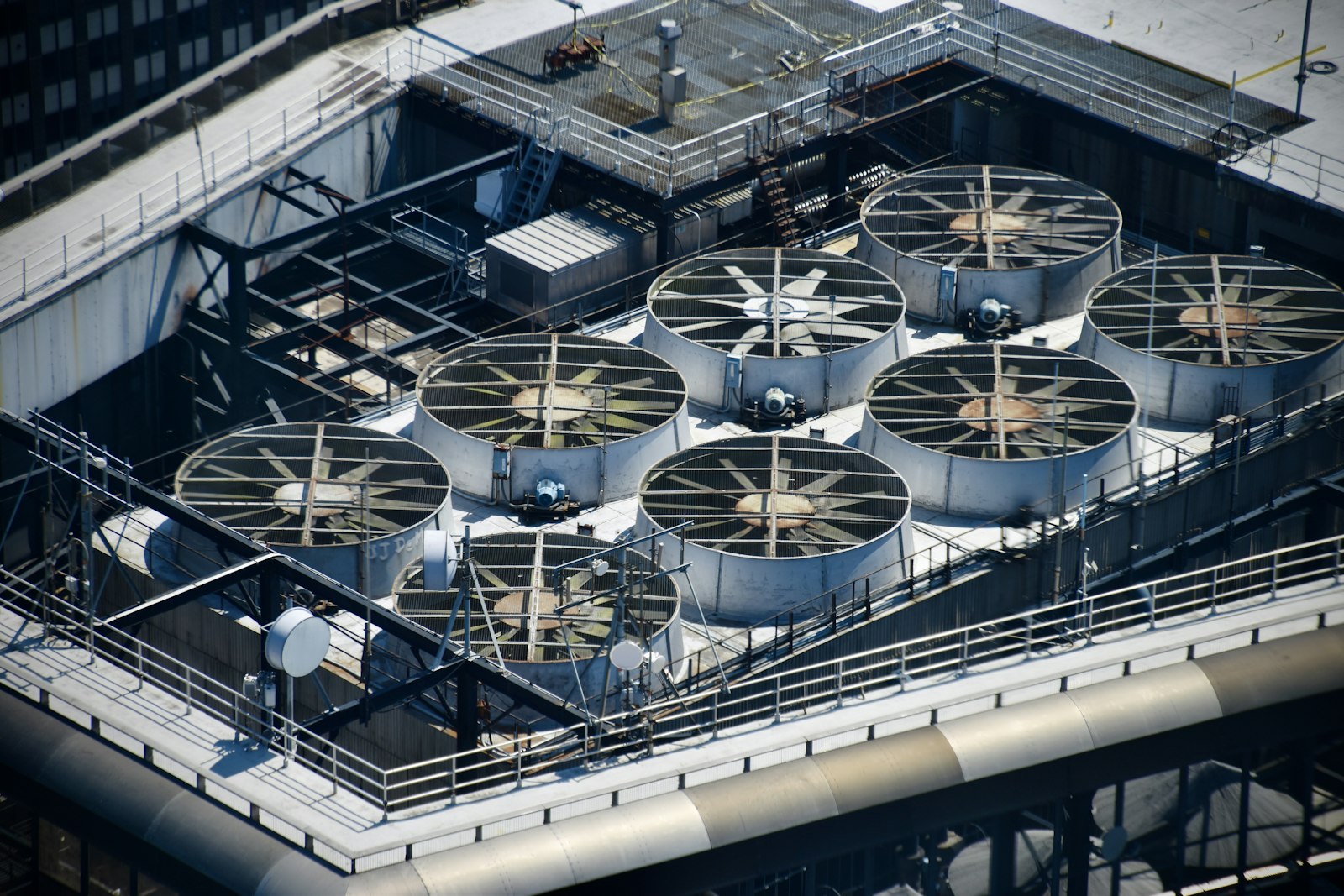
Cooling towers are workhorses. They sit on rooftops or behind buildings throughout Rochester, NY, quietly rejecting heat from chillers and process equipment to keep the facility comfortable and operational. They also represent one of the most maintenance-sensitive pieces of mechanical equipment a commercial property owns. The team at Baker Mechanical Systems has spent decades servicing cooling towers across Western New York, and the same patterns surface every spring: towers that received proper startup attention deliver a clean season, while towers that did not generate problems all summer.
Cooling tower startup is more than turning a valve and walking away. It involves water treatment, mechanical inspection, electrical verification, and biological control. Done right, it sets the tower up for an efficient, reliable, and code-compliant cooling season. Done casually, it creates problems that can compound throughout summer. Below is a practical look at what Rochester commercial properties should expect from a proper cooling tower startup, and how Baker Mechanical Systems approaches the work.
Why Cooling Tower Startup Deserves Real Attention
A cooling tower that sat dormant through winter is not the same machine that shut down in October. Cold weather, condensation, debris accumulation, and microbial activity all change the condition of the tower during the off-season. The Baker Mechanical team commonly finds startup-time conditions including:
- Sediment and debris in the basin
- Biological growth requiring disinfection
- Fill media damage from ice or freeze cycles
- Drift eliminator displacement or wear
- Corrosion at fasteners, structural members, or piping
- Belt slack, bearing wear, and motor capacitor degradation
None of these conditions stop the tower from running. They simply ensure it will run inefficiently or unsafely until they are addressed. Baker Mechanical Systems builds startup procedures specifically to catch each of these conditions on day one.
The Major Components of a Cooling Tower Startup
A proper startup is a sequence, not a single task. Baker Mechanical Systems works through each major area in a defined order, building documentation as we go.
1. Basin and Sump Inspection and Cleaning
The basin is where most off-season problems accumulate. Startup work includes:
- Removing accumulated sediment, leaves, and debris
- Inspecting the basin for corrosion or coating damage
- Cleaning strainer baskets
- Verifying makeup water valve function
- Inspecting overflow and drain piping
A clean basin is the starting point for everything that follows. The Baker Mechanical team does not skip this step even when the visible condition seems acceptable.
2. Fill Media and Drift Eliminator Inspection
The fill is where heat transfer happens. Damage or fouling here directly compromises tower efficiency. Startup inspection includes:
- Verifying fill alignment and structural integrity
- Identifying biological growth or scale
- Inspecting drift eliminators for displacement
- Checking spray nozzles for clogs or wear
- Evaluating fill condition against expected service life
Damaged or fouled fill is one of the most common reasons cooling towers underperform in midsummer. Baker Mechanical Systems documents fill condition each year so trend changes become visible.
3. Mechanical and Drive System Verification
The fans and drives that move air through the tower require careful attention. Startup work includes:
- Checking belt tension and condition (or gear oil on direct-drive units)
- Verifying motor bearing condition
- Inspecting fan blades for damage or balance issues
- Confirming proper rotation direction
- Verifying vibration is within acceptable ranges
Fan failure mid-season can take a tower out of service for days. The Baker Mechanical team treats fan inspection as a non-negotiable startup task.
4. Water Treatment Setup
Water treatment is the single most important factor in cooling tower reliability and longevity. Startup involves:
- Bleed valve adjustment to control conductivity
- Chemical feed pump verification
- Inhibitor and biocide setup based on water analysis
- Conductivity controller calibration
- Test kit verification and recordkeeping setup
Without proper treatment, towers scale, corrode, and grow biofilm rapidly. With it, they deliver years of reliable service. Baker Mechanical Systems coordinates water treatment with broader cooling system service.
5. Biological Control and Legionella Prevention
Cooling towers are recognized environments for Legionella growth. Startup procedures include:
- System disinfection before initial operation
- Biocide selection appropriate to the system
- Monitoring frequency setup
- Documentation aligned with public health expectations
The Baker Mechanical team takes biological control seriously and integrates it into every startup as a standard practice rather than an optional add-on.
6. Electrical and Controls Verification
The electrical and controls side of the tower deserves the same attention as the mechanical side. Startup tasks include:
- Tightening contactor and motor terminal connections
- Testing capacitors for proper readings
- Verifying VFD parameters where applicable
- Confirming basin temperature sensor accuracy
- Verifying integration with the building automation system
A failed sensor or weak capacitor can compromise tower performance long before the underlying issue becomes obvious. Baker Mechanical Systems verifies controls integrity as part of every startup.
How Cooling Towers Connect to the Broader HVAC System
Cooling towers are the heat rejection side of the chiller plant. Their performance directly affects chiller efficiency, indoor comfort, and process cooling reliability. The Baker Mechanical team works on cooling towers as part of broader commercial HVAC services, which means tower work is coordinated with chiller service, pumping system maintenance, and controls verification.
This integrated approach surfaces issues that single-service vendors often miss — for example, a fouled chiller condenser tube can mimic tower performance issues until both are inspected together.
Common Cooling Tower Issues That Surface Without Proper Startup
The Baker Mechanical team has seen a consistent pattern of midsummer cooling tower problems traced back to incomplete startup work:
- High condenser water temperatures driving chiller inefficiency
- Excessive bleed and water consumption
- Scale buildup that compromises heat transfer
- Microbial growth that triggers public health concerns
- Fan vibration leading to motor or bearing failure
- Fill collapse that requires emergency replacement
Most of these issues are preventable. None of them are cheap to address mid-season.
Documentation That Supports Year-Round Operation
A startup is only as valuable as the documentation it produces. Baker Mechanical Systems delivers records that include:
- Inspection findings by component
- Water analysis and treatment baseline data
- Photographic documentation of conditions found
- Repair recommendations with priority levels
- Disinfection and Legionella control records
- Updated equipment data for the facility records
This documentation supports ongoing operation, audit readiness, and equipment lifecycle planning.
Coordinating Tower Service With Other Building Systems
Commercial properties with cooling towers typically have other infrastructure that benefits from coordinated maintenance. Baker Mechanical handles commercial plumbing, fire protection, and process piping alongside HVAC service, which simplifies the overall maintenance calendar for facility managers.
Coordinating service across systems reduces vendor fragmentation and improves accountability when issues span multiple disciplines.
Working With a Local Cooling Tower Partner
Rochester’s climate, water chemistry, and seasonal usage patterns shape cooling tower performance in specific ways. Baker Mechanical Systems has built decades of experience servicing towers across Western New York commercial properties, and our project history reflects that depth. Local experience matters when the goal is long-term reliability rather than reactive service calls.
Putting Cooling Tower Startup on the Calendar
Every Rochester commercial property with a cooling tower benefits from a structured spring startup. The Baker Mechanical team handles the inspection, repair coordination, water treatment, and documentation in a single coordinated visit.
If your Rochester commercial property is preparing its cooling tower for the season, contact Baker Mechanical Systems to schedule startup. The Baker Mechanical team will deliver a complete startup that protects efficiency, reliability, and code compliance through the demanding months ahead.
‹ Back
Recent Posts
-
Roof Drains and Storm Piping: Surviving Leaf Season in Rochester, NY
October 22, 2026
-
-
-
-