
Blog
Industrial Maintenance Programs in Rochester, NY: Building a Plan That Reduces Unplanned Downtime
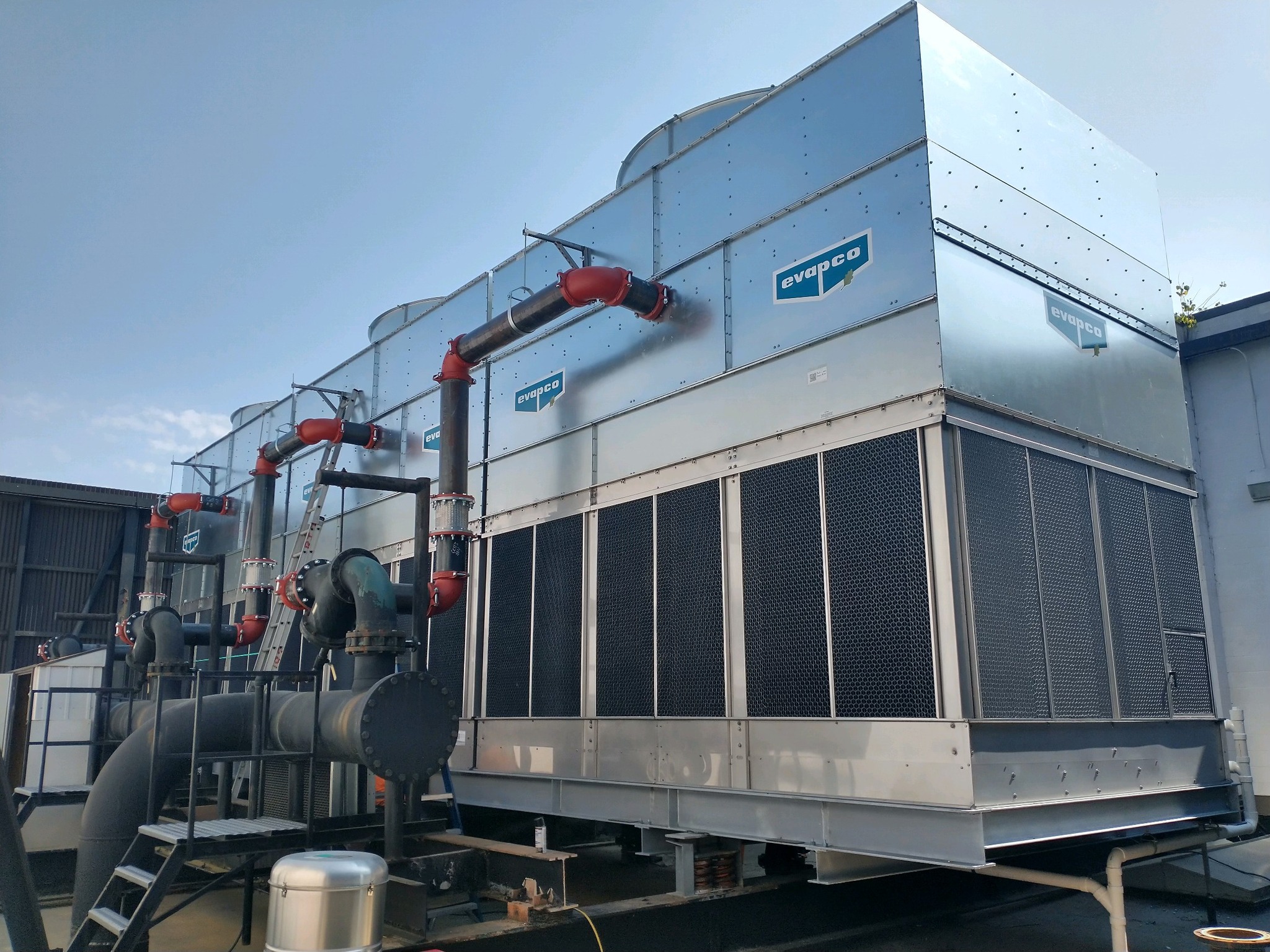
Unplanned downtime is one of the most expensive line items in any industrial operation. It disrupts production schedules, strains supply commitments, drives overtime costs, and damages customer relationships. The team at Baker Mechanical Systems has spent decades helping Rochester, NY industrial facilities replace reactive maintenance habits with structured programs that catch problems before they become production stoppages.
The most reliable industrial facilities in Rochester are not the ones with newest equipment or the largest maintenance budgets. They are the ones with disciplined maintenance programs — clear schedules, documented procedures, and the right contractor relationships behind them. Below is a practical guide to building an industrial maintenance program that actually reduces unplanned downtime, not just one that fills a binder.
The Real Cost of Unplanned Downtime
Most industrial leaders underestimate downtime cost because the obvious figure — lost production hours — is only one component. Baker Mechanical Systems regularly works with facilities that have only quantified part of the impact. A complete picture includes:
- Lost production output and associated revenue
- Overtime labor to recover schedule
- Premium freight to meet customer commitments
- Restart inefficiency as equipment reaches steady state
- Quality losses on first runs after restart
- Customer satisfaction impact from missed delivery
- Stress on adjacent equipment running outside design
When the full cost is calculated, even modest investments in preventive maintenance deliver compelling returns. The Baker Mechanical team has helped facilities document this case repeatedly to internal leadership.
What Distinguishes a Real Maintenance Program From a List on a Wall
Many facilities have maintenance schedules. Far fewer have maintenance programs. The difference matters. A real program includes:
- Defined inspection intervals tied to equipment criticality
- Documented procedures, not tribal knowledge
- Records that survive personnel turnover
- Scheduled vendor support for specialized work
- Trend tracking that surfaces developing issues
- Budget integration with capital planning
Baker Mechanical Systems supports each of these elements through structured industrial maintenance services. The objective is not to add bureaucracy — it is to make the maintenance function predictable.
The Mechanical Systems That Drive the Most Downtime
Across Rochester industrial facilities, certain systems account for a disproportionate share of unplanned downtime. The Baker Mechanical team focuses preventive attention on these systems first.
1. Compressed Air Systems
Compressed air is often the most expensive utility in an industrial facility, and one of the most failure-prone. Common preventive activities include:
- Compressor oil and filter changes on schedule
- Belt and coupling inspection
- Dryer service and refrigerant verification
- Distribution leak surveys
- Pressure setpoint verification
Baker Mechanical’s technicians document compressor performance trends so that developing issues become visible before failure.
2. Steam and Hot Water Systems
Steam and hydronic systems carry significant pressure and temperature, which makes failure consequences severe. Preventive attention should include:
- Boiler inspection and tuning
- Steam trap surveys
- Pump bearing and seal inspection
- Chemical treatment verification
- Safety device testing
The Baker Mechanical team integrates steam system maintenance with broader plant utility planning so that boiler service does not strand other production needs.
3. Process Cooling and Chilled Water
Cooling system failures often occur at the worst possible moment, typically during peak summer load. Preventive maintenance includes:
- Chiller tube cleaning and water quality verification
- Cooling tower fill and basin service
- Pump alignment and vibration analysis
- Glycol concentration testing on closed loops
- Control system verification
Baker Mechanical Systems combines this work with broader commercial HVAC service for facilities where comfort cooling and process cooling share infrastructure.
4. Plumbing and Process Water Infrastructure
Industrial plumbing carries significant volume and often involves cross-connections to process equipment. Preventive maintenance should cover:
- Backflow assembly testing and certification
- Drain system inspection and cleaning
- Water heater service and corrosion monitoring
- Pressure-reducing valve verification
- Cross-connection survey updates
Baker Mechanical’s integrated commercial plumbing capability means this work happens inside the same maintenance relationship rather than through a separate vendor.
5. Process Piping Infrastructure
Process piping carries the fluids and gases that drive production. Inspection and maintenance should include:
- Insulation integrity
- Hanger and support condition
- Flange and joint inspection
- Pressure testing on critical loops
- Documentation for insurance and compliance
Baker Mechanical’s process piping team integrates this work with broader maintenance planning.
How a Strong Program Reduces Downtime in Practice
The mechanism by which preventive maintenance reduces downtime is not magic — it is structured visibility. Programs that work share a few common patterns:
- Inspection findings are documented in a way that supports trend analysis
- Repair work is sequenced by criticality, not by what broke last
- Spare parts are identified and stocked for high-impact components
- Vendor relationships are established before they are urgently needed
- Production planning includes maintenance windows on the calendar
The Baker Mechanical team builds this kind of structure with each industrial client based on the specific equipment and operational rhythm of the facility.
Common Reasons Maintenance Programs Fail
Programs that look good on paper sometimes fail to deliver results. Baker Mechanical Systems regularly encounters several recurring failure modes:
- Schedules built around equipment age rather than criticality
- Procedures documented but not actually followed
- Vendor coordination that lags behind schedule changes
- Documentation that does not survive personnel changes
- Budget cuts that target preventive work first
The remedy is not more documentation. It is honest assessment of what the program actually does versus what it claims to do. The Baker Mechanical team helps facilities make that assessment without judgment.
Tracking the Right Performance Indicators
Industrial maintenance programs should be measurable. Key indicators include:
- Mean time between failures on critical equipment
- Percent of work that is preventive versus reactive
- Schedule adherence on planned maintenance
- Cost trends across major equipment categories
- Energy consumption trends on key systems
Tracking these metrics over time turns maintenance into a data-driven function rather than a perpetual firefight.
How Baker Mechanical Systems Supports Industrial Clients
Each industrial facility has its own equipment, production rhythm, and constraints. Baker Mechanical Systems builds programs around those specifics rather than imposing a generic template. Our service relationships typically include:
- An initial walkdown to baseline equipment condition
- A maintenance schedule built around production windows
- Defined response expectations for emergency work
- Documentation that integrates with the facility’s own systems
- Quarterly or annual program reviews to identify improvements
Our project history across Rochester industrial facilities shapes how we approach each new relationship. Baker Mechanical Systems has built decades of experience supporting manufacturers and industrial properties across Western New York.
Building a Program That Lasts
Sustainable industrial maintenance programs are not built in a single project. They are built through the steady accumulation of inspection data, documented procedures, and disciplined execution. The Baker Mechanical team brings the technical capability and the operational discipline to support that long arc.
If your Rochester industrial facility is ready to evaluate or strengthen its maintenance program, contact Baker Mechanical Systems to discuss the right starting point. Reducing unplanned downtime is not about preventing every failure — it is about catching the right ones in time. The Baker Mechanical team can help your facility build a program that does exactly that.
‹ Back
Recent Posts
-

-

Fall Boiler Startup & Inspection for Rochester, NY Commercial Buildings
September 2, 2026
-

-
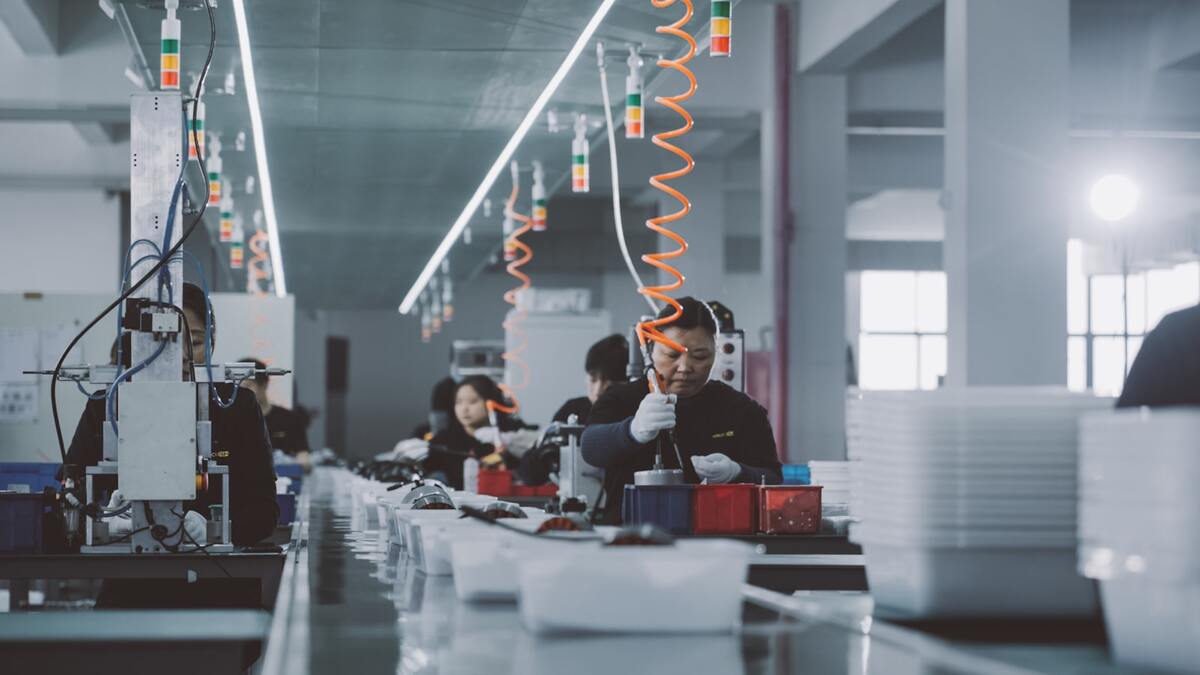
Compressed Air System Efficiency for Rochester, NY Manufacturers
August 26, 2026
-