
Blog
Reliability Matters Most When It’s Cold: Protecting Commercial Plumbing and HVAC Systems in Rochester, NY
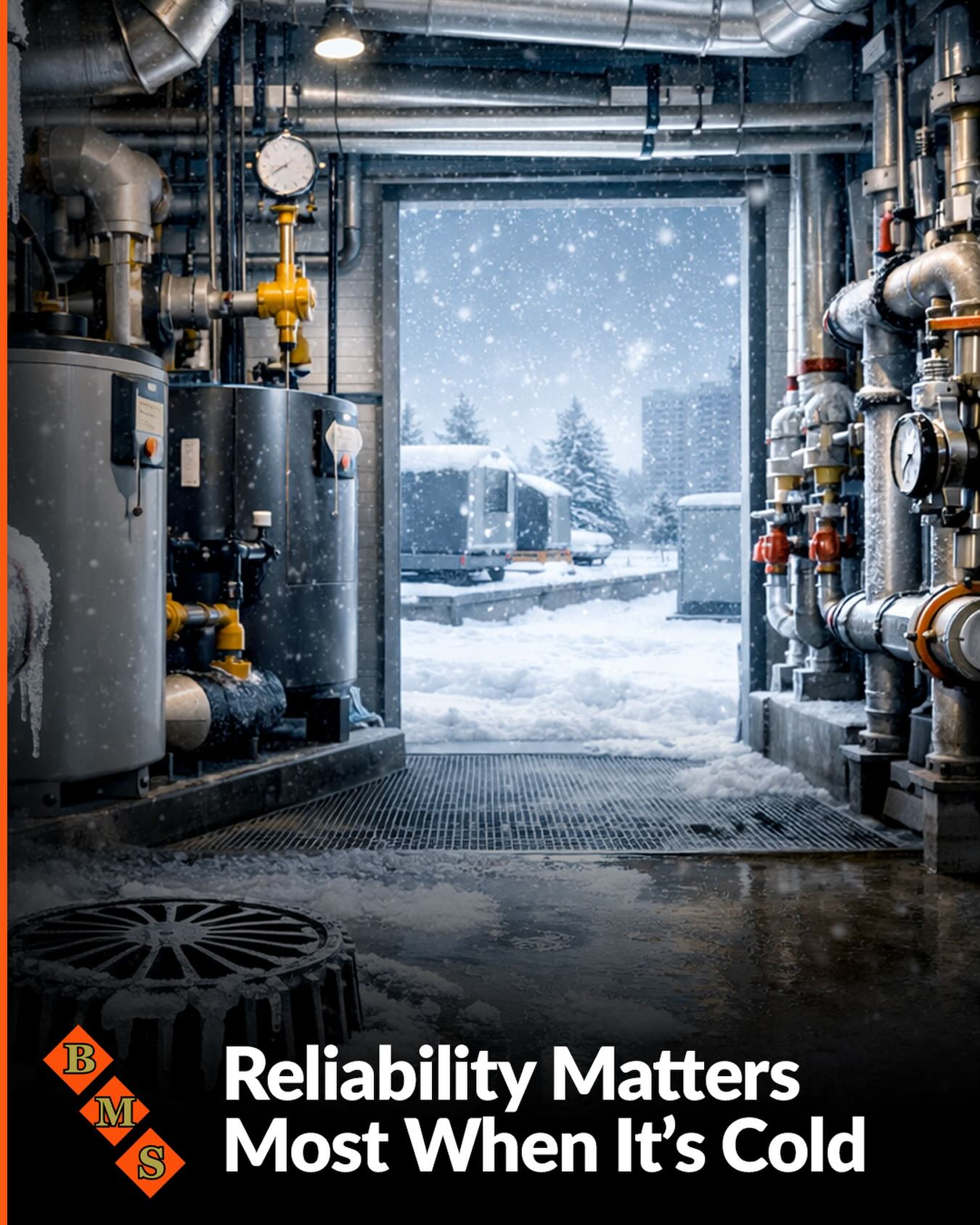
Winter storms have a way of exposing the weak points in building systems.
In Rochester, NY, freezing temperatures, heavy snowfall, and sustained heating demand test commercial plumbing and HVAC systems every year. When temperatures drop below freezing for extended periods, mechanical infrastructure isn’t just working — it’s under stress.
For commercial property owners and facility managers, winter reliability is not about convenience. It’s about continuity.
Why Cold Weather Puts Commercial Systems to the Test
Commercial buildings depend on interconnected systems. Plumbing, heating, ventilation, and fire protection all operate together to maintain a safe, comfortable environment.
During peak winter conditions, these systems experience:
- Continuous heating cycles
- Thermal expansion and contraction in piping
- Increased water demand
- Exterior exposure to subzero temperatures
- Reduced airflow from snow accumulation and ice buildup
Most buildings are designed to handle these conditions. However, aging infrastructure, deferred maintenance, and minor preexisting issues often surface when systems are pushed to their limits.
Frozen Pipes and Stressed Plumbing Lines
Frozen pipes are among the most visible winter failures, but they are rarely sudden events. Often, they occur in areas where insulation is compromised, airflow is restricted, or piping was already weakened.
Common risk zones in commercial buildings include:
- Mechanical rooms near exterior walls
- Unheated warehouse spaces
- Exterior hose connections
- Underground services with shallow depth
Even when pipes do not fully freeze, repeated expansion and contraction can stress joints and fittings. Once temperatures fluctuate, those stress points may develop leaks.
In Rochester’s climate, freeze-thaw cycles compound this risk.
Heating Systems Under Continuous Demand
Commercial HVAC systems operate differently than residential units. In office buildings, schools, healthcare facilities, and industrial properties, heating systems may run nearly nonstop during extreme cold.
Extended demand can reveal:
- Circulation issues in boiler systems
- Declining efficiency in rooftop units
- Failing pumps and valves
- Airflow imbalances
- Ventilation restrictions
When heating systems struggle to keep up, it affects more than comfort. It impacts productivity, tenant satisfaction, and employee morale.
Reliability during winter is directly tied to overall building performance.
Blocked Drains and Ice-Related Backups
Snow and ice create drainage challenges that often go unnoticed until water begins pooling or backing up.
Common winter-related drainage issues include:
- Roof drain blockages
- Exterior storm drain freezing
- Ice buildup in downspouts
- Catch basin obstruction
When melting occurs rapidly, systems can be overwhelmed if they are already partially restricted.
Proactive inspection reduces the risk of water intrusion and structural damage.
Emergency Calls vs. Preventive Strategy
Emergency service calls often happen during the coldest stretches of the year. Frozen pipes, heating failures, and drainage backups rarely occur during mild weather.
However, most winter failures are not random. They are the result of small vulnerabilities that existed before the storm arrived.
Preventive maintenance allows building operators to:
- Identify aging components before failure
- Test heating system performance under load
- Inspect insulation and exposed piping
- Evaluate mechanical room conditions
- Confirm drainage systems are functioning properly
Addressing minor issues early reduces stress — both operationally and financially.
The Business Cost of Winter Downtime
When plumbing or HVAC systems fail during freezing temperatures, consequences escalate quickly.
Commercial impacts may include:
- Temporary closure of office spaces
- Production delays in industrial facilities
- Employee discomfort and absenteeism
- Water damage remediation
- Insurance claims and administrative complications
Reliable infrastructure protects more than pipes and boilers. It protects business continuity.
What Rochester Facility Managers Should Evaluate During Winter
Mid- and late-winter are ideal times to review system performance. Warning signs often appear subtly before full failure.
Areas worth assessing include:
- Mechanical room piping and insulation
- Boiler pressure and cycling patterns
- Exterior plumbing exposure
- Roof drainage performance
- Airflow balance throughout occupied spaces
Small adjustments now can prevent significant disruption later.
Commercial Plumbing and HVAC Services in Rochester, NY
Maintaining reliable building systems through Western New York winters requires experience with both infrastructure design and environmental impact.
Baker Mechanical Systems works with commercial and industrial facilities across Rochester, NY to evaluate plumbing, HVAC, and fire protection systems during peak winter demand.
The focus is steady and practical: identify stress points, correct vulnerabilities, and help facilities remain stable during extreme conditions.
Reliability Is a Strategic Advantage
When it’s cold outside, building systems cannot afford uncertainty.
Reliable plumbing and HVAC infrastructure provide stability for employees, tenants, and operations. It reduces reactive service calls and supports smoother facility management.
If winter weather has exposed issues within your commercial building, or if you want to evaluate system performance before the next cold stretch, contact Baker Mechanical Systems to schedule a consultation.
When infrastructure performs reliably, businesses can operate confidently — regardless of the temperature outside.
‹ Back
Recent Posts
-

-

Fall Boiler Startup & Inspection for Rochester, NY Commercial Buildings
September 2, 2026
-
-
Compressed Air System Efficiency for Rochester, NY Manufacturers
August 26, 2026
-