

Blog
Standpipe System Testing & Maintenance for Rochester Commercial Buildings
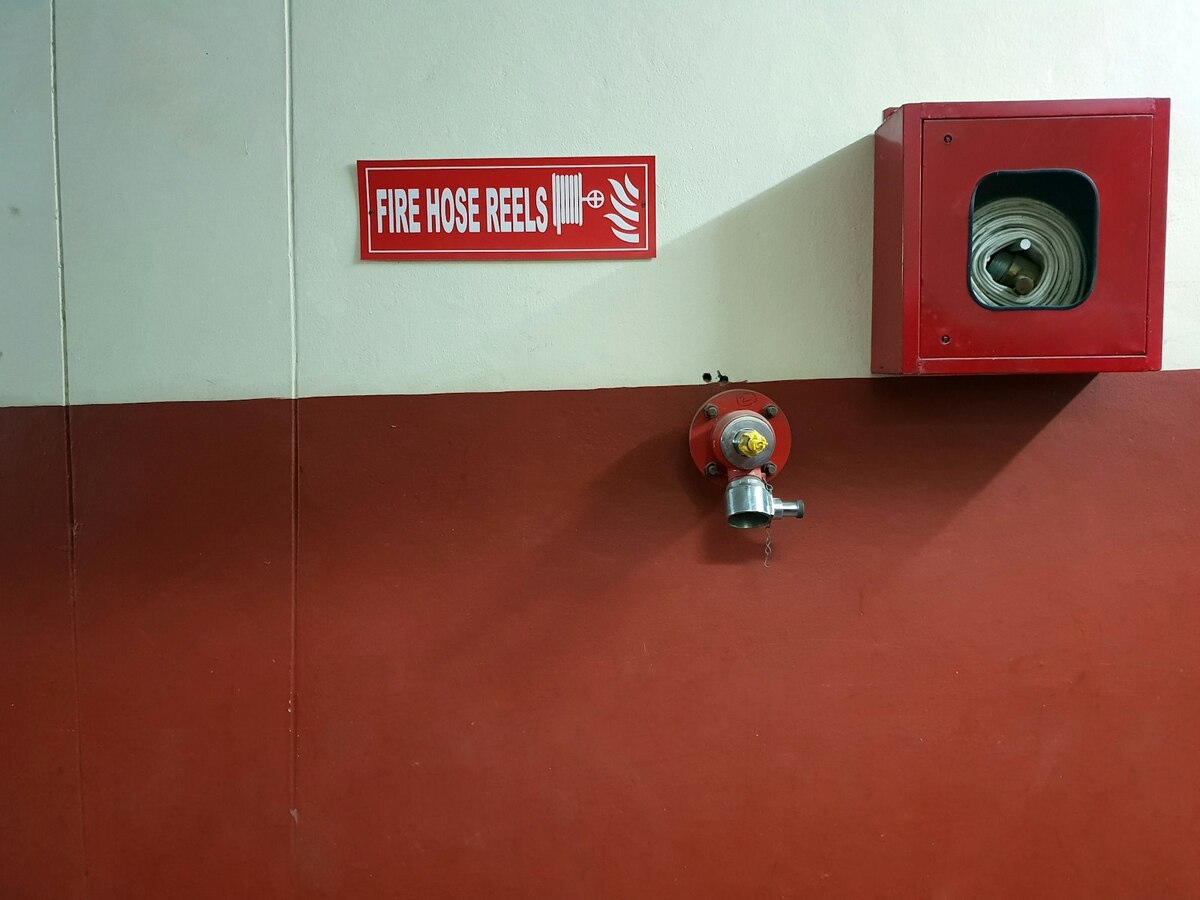
In a fire emergency, firefighters depend on a building's standpipe system to deliver water where they need it, on upper floors, in stairwells, and throughout large structures where dragging hose from the street is impossible. A standpipe system that fails an inspection is a problem; a standpipe system that fails during a fire is a catastrophe. The team at Baker Mechanical Systems has spent decades testing, servicing, and maintaining standpipe systems across Rochester, NY commercial buildings, and the principle is the same one that governs all life-safety work: the system must perform on the one day it is truly needed.
Standpipe systems are governed by NFPA 25, enforced by the authority having jurisdiction, and scrutinized by insurance carriers. Yet because they are used so rarely, they are easy to overlook. Below is a practical look at standpipe system testing and maintenance, what compliance requires in Rochester, and how Baker Mechanical Systems approaches the work.
What a Standpipe System Does
A standpipe is a system of piping, valves, and hose connections that delivers water for firefighting throughout a building. Different building types require different classes of standpipe systems, but all share the same purpose: providing reliable water and pressure for fire suppression where it is needed. The Baker Mechanical team works across the range of standpipe configurations:
- Hose connections on each floor and in stairwells
- Piping that distributes water throughout the building
- Control and pressure-regulating valves
- Connections that allow the fire department to supplement supply
- Integration with fire pumps and water supply infrastructure
Each component must function correctly for the system to perform. A single failed valve or blocked connection can compromise firefighting on an entire floor.
Why Standpipe Testing Is Required
Standpipe systems exist for emergencies that may never come. When they do, partial performance is not acceptable. The Baker Mechanical team treats standpipe testing as verification of life-safety capability through structured fire protection services. Common problems that testing reveals include:
- Valves that have seized or been left in the wrong position
- Pressure-regulating valves that have drifted out of specification
- Corrosion or obstruction within the piping
- Hose connections that are damaged or missing components
- Supply pressure that has degraded over time
None of these issues are visible without inspection and testing. Only structured verification confirms the system will perform.
1. Hydrostatic and Flow Testing
Standpipe systems require periodic testing to verify they can deliver required flow and pressure. Baker Mechanical Systems conducts these tests with the documentation discipline that inspectors and insurers expect:
- Flow testing to verify the system delivers required performance
- Pressure verification at hose connections
- Hydrostatic testing where required by code
- Verification of pressure-regulating valve settings
- Confirmation that fire department connections function
Each test provides data that, compared against requirements and prior years, confirms the system's readiness or reveals developing problems.
2. Valve and Component Inspection
The valves and connections of a standpipe system are its most failure-prone components. The Baker Mechanical team inspects:
- Control valve position and operation
- Pressure-regulating valve condition and settings
- Hose connection threads, caps, and gaskets
- Signs of corrosion, leakage, or physical damage
- Proper signage and accessibility
A valve left closed or a connection with damaged threads can render part of the system useless in an emergency. Regular inspection catches these issues before they matter.
3. Integration With Fire Pumps and Water Supply
Standpipe systems depend on adequate water supply and, in many buildings, on fire pumps to provide pressure on upper floors. Baker Mechanical Systems evaluates the standpipe in the context of the entire fire protection system:
- Coordination with fire pump performance
- Adequacy of water supply for system demand
- Interaction with sprinkler systems sharing infrastructure
- Fire department connection condition and accessibility
Evaluating the standpipe in isolation can miss supply or pressure issues that only appear when the whole system is considered together.
The Stakes of a Standpipe Failure
The consequences of a standpipe failure are measured in life safety, not just dollars. A system that cannot deliver water to firefighters compromises their ability to protect occupants and property. Beyond the safety stakes, a failed inspection creates code violations, insurance complications, and liability exposure. Baker Mechanical Systems approaches standpipe maintenance with the seriousness this life-safety system demands.
If your Rochester commercial building has standpipe testing or inspection approaching, scheduling it properly and in advance is essential. Contact Baker Mechanical Systems to arrange standpipe system testing and service.
Documentation That Supports Compliance
Standpipe documentation is reviewed by the authority having jurisdiction, insurance carriers, and building owners. Baker Mechanical Systems delivers records that include:
- Test dates, methods, and technician credentials
- Flow and pressure data at test points
- Valve and component condition findings
- Any deficiencies identified and repairs performed
- Records organized for inspection review
Buildings with consistent standpipe documentation experience smoother inspections and stronger compliance standing.
Why Local Experience Matters
Rochester's building stock, code environment, and AHJ relationships all shape how standpipe systems are tested and documented. Baker Mechanical Systems has built decades of experience working with Western New York commercial buildings, and our project history reflects fire protection work across many building types and configurations.
Local experience translates into smoother inspections, faster issue resolution, and strong relationships with the parties responsible for code enforcement.
Maintaining a Life-Safety System
Standpipe systems protect lives on the rare but critical day they are needed. Keeping them tested, inspected, and documented is not a paperwork exercise, it is ensuring the building's firefighting capability is verifiable and verified.
If your Rochester commercial property has standpipe systems that need testing or service, contact Baker Mechanical Systems. The Baker Mechanical team will test, inspect, document, and repair, ensuring your building's standpipe system is ready to perform when it matters most.
‹ Back
Recent Posts
-

Roof Drains and Storm Piping: Surviving Leaf Season in Rochester, NY
October 22, 2026
-
-

-
-