
Blog
Cooling Season Readiness: Commercial AC Startup Procedures for Rochester, NY Facilities
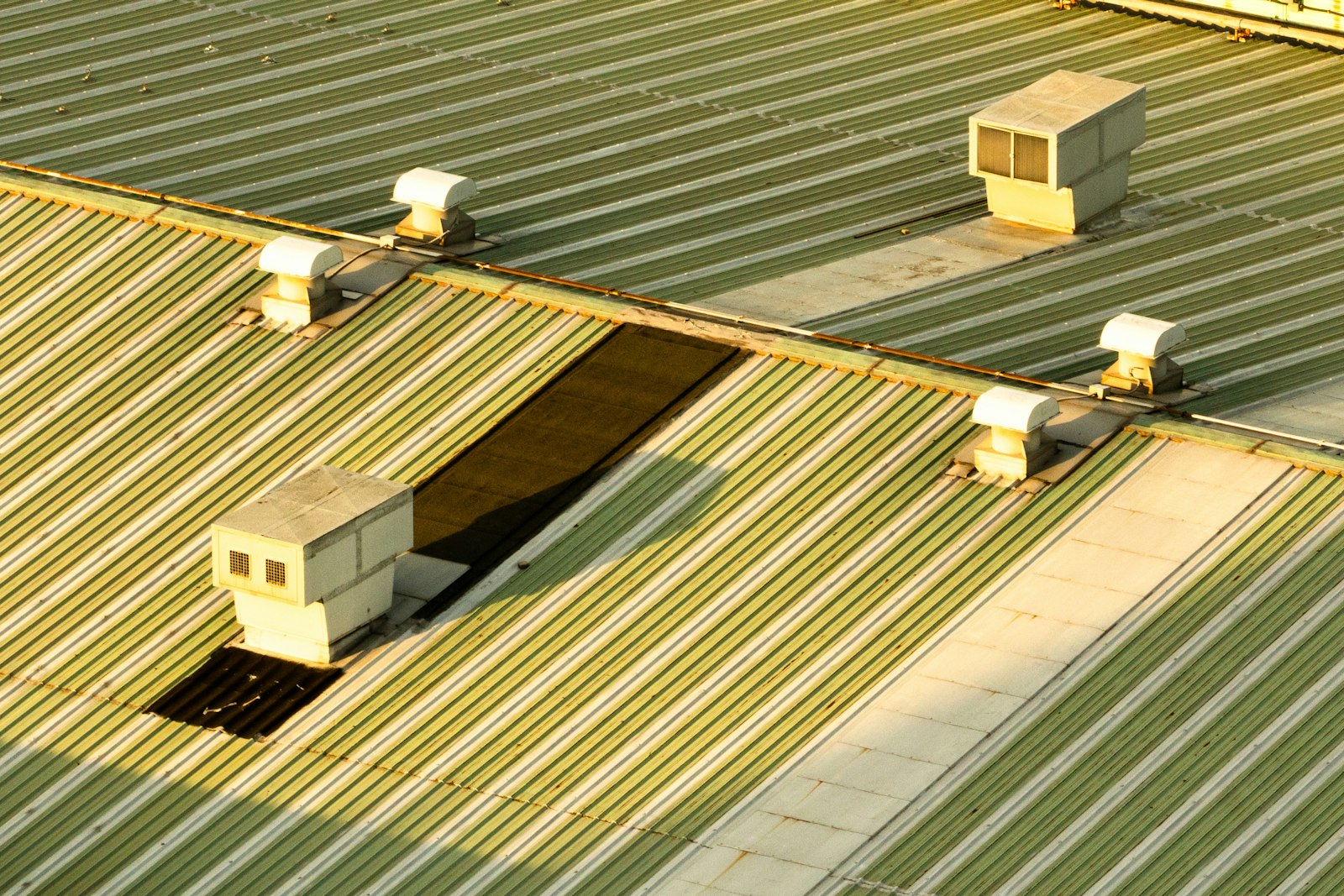
As temperatures begin to climb across Western New York, commercial facility managers face an annual transition that is often underestimated — the shift from heating to cooling season. At Baker Mechanical Systems, our commercial HVAC team sees the same pattern every spring: properties that prepare early enjoy a quiet summer, while those that wait scramble through July and August.
Commercial air conditioning systems do not simply “turn back on” in May. They sit idle for months, accumulating dust, moisture, refrigerant pressure changes, and component wear that only becomes apparent when the system is asked to perform under load. A rushed startup almost always reveals a problem at the worst possible moment, usually on the first 80°F afternoon when tenants and employees expect comfort.
For Rochester, NY commercial properties, a structured cooling season startup is the difference between a smooth transition and a string of midsummer service calls. Below is a practical look at what disciplined AC startup procedures involve — and how Baker Mechanical Systems approaches them across the commercial properties we service throughout Western New York.
Why Cooling Season Startup Matters More Than People Think
Commercial HVAC systems are engineered for continuous operation, but they are also engineered with the assumption that someone is watching them. After a Rochester winter, even well-built rooftop units, chillers, split systems, and air handlers carry the cumulative effects of:
- Months of freeze–thaw cycles around outdoor coils and condenser fans
- Ice and snow loading on roof-mounted equipment
- Stale refrigerant pressures and possible micro-leaks
- Static dust accumulation in coils, blowers, and filters
- Belt slack, seal hardening, and capacitor degradation
- Drain pan debris and biological growth from spring humidity
None of these issues stop a system from starting. They simply ensure it will struggle once outdoor temperatures rise. When the Baker Mechanical team performs a proper cooling season startup, we catch each of these conditions while there is still time to correct them on a planned, rather than emergency, basis.
The Components That Deserve the Most Attention
A commercial AC startup is not a single task. It is a sequence of inspections and tests across the major mechanical, electrical, and control systems that make up a building’s cooling infrastructure. Baker Mechanical Systems works through these components in a defined order, building documentation as we go.
1. Outdoor Condensing Units and Cooling Towers
Rooftop condensers and ground-level units endure the harshest conditions in Rochester’s climate. Startup work typically includes:
- Removing winter debris, leaves, and ice damage
- Inspecting condenser coils for fin damage or blockage
- Cleaning coils to restore heat transfer efficiency
- Verifying fan motor operation and bearing condition
- Checking refrigerant charge and pressures under load
For properties with cooling towers, additional attention is required for water treatment, basin cleaning, and biological control before the unit is brought back online. Baker Mechanical’s technicians document each finding so facility managers have a clear record of equipment condition heading into the season.
2. Air Handlers and Indoor Units
Indoor equipment is often overlooked because it does not face the elements directly. That said, air handlers are where the majority of cooling problems originate during the first weeks of operation.
Key startup tasks include:
- Replacing filters that may have collected dust over the heating season
- Inspecting evaporator coils for buildup or biological growth
- Cleaning condensate drain pans and verifying drain line flow
- Checking blower motor bearings, belt tension, and amp draw
- Confirming damper operation and actuator response
A clogged condensate line is one of the most common causes of midsummer water damage in Rochester commercial buildings. It is also one of the easiest issues to prevent during startup, which is why Baker Mechanical includes condensate testing on every AC commissioning visit.
3. Refrigerant Circuits and Pressure Verification
Refrigerant systems must be tested under realistic operating conditions, not simply confirmed for static pressure. A Baker Mechanical Systems cooling season startup typically involves:
- Subcooling and superheat measurements
- Leak detection on all accessible joints and service valves
- Verification that compressors stage correctly under load
- Inspection of TXVs, EEVs, or capillary metering devices
Refrigerant issues that go unaddressed in May tend to escalate quickly into compressor failures by July. The investment in early diagnostic work pays for itself many times over — and our team has seen that pattern repeat across decades of Rochester commercial projects.
4. Electrical Components and Controls
The electrical side of commercial HVAC is where small problems silently compound. Startup procedures should always include:
- Tightening contactor and terminal connections
- Testing capacitors for proper microfarad readings
- Verifying voltage and amperage across all motors
- Inspecting relays and control boards for corrosion
- Confirming safety device function (high-pressure cutouts, low-pressure switches, freeze stats)
Loose connections and weak capacitors are responsible for a disproportionate share of summer service calls in commercial properties. Baker Mechanical’s preventive approach is built specifically to catch these failures before they happen.
5. Building Automation Systems and Sequence of Operations
Modern commercial buildings often rely on building automation systems (BAS) to control HVAC equipment. These systems require seasonal verification to ensure that:
- Schedules reflect cooling season occupancy
- Setpoints are aligned with energy strategy and tenant expectations
- Economizer dampers operate correctly during mild weather
- Sensors are providing accurate readings throughout the building
- Alarms and trends are functioning and being monitored
A small calibration drift on a discharge air sensor can lead to widespread comfort complaints — or, worse, energy waste that goes undetected for months. The Baker Mechanical team verifies BAS operation as part of every cooling season startup, not as an afterthought.
What a Well-Run Startup Looks Like in Practice
The most effective commercial cooling season startups in Rochester share a few common traits, and they reflect how Baker Mechanical Systems structures every visit:
- Scheduled before outdoor temperatures push systems into emergency mode
- Following a written checklist tailored to the specific equipment on site
- Including refrigerant, electrical, mechanical, and controls verification
- Producing documentation the facility manager can reference all season
- Identifying deferred maintenance items with clear timing and priority
This level of structure transforms cooling season from a reactive scramble into a planned operational rhythm.
The Cost of Skipping Startup
Many commercial properties have learned the hard way that postponing startup work to “save” on a service visit is one of the most expensive decisions a facility manager can make. The hidden costs include:
- Emergency service call premiums during peak demand
- Tenant complaints during the hottest weeks of the year
- Compressor failures that could have been prevented
- Energy waste from systems running outside design conditions
- Indoor air quality concerns from neglected coils and drains
By comparison, a planned startup with Baker Mechanical Systems is predictable, budgeted, and far less disruptive to building operations.
How Rochester’s Climate Shapes Startup Strategy
Western New York presents specific challenges that influence commercial AC startup priorities. Long heating seasons mean cooling equipment sits idle for extended periods. Spring humidity introduces biological growth risks in air handlers and drain pans. Sudden temperature swings between April and June stress refrigerant systems that have not been recommissioned.
A startup procedure built for a milder climate will leave gaps in a Rochester facility. Local experience matters — and it is something Baker Mechanical Systems has built across decades of serving commercial properties throughout the region.
Planning the Right Time to Schedule
The ideal window for commercial cooling season startup in Rochester is mid-April through mid-May. This timing allows:
- Equipment to be tested under realistic load conditions
- Repairs to be completed before tenant comfort becomes an issue
- Parts to be ordered without the delays that come during peak demand
- Service teams to operate on planned schedules rather than emergency dispatch
Properties that wait until June often find themselves competing for service slots and paying premium rates for after-hours response. Booking early with Baker Mechanical Systems locks in a calendar slot that fits the building’s operational rhythm.
Working with the Right Commercial HVAC Partner
A reliable commercial HVAC contractor in Rochester should approach startup as a structured process, not a routine visit. The right partner will document conditions, communicate findings clearly, and help facility managers plan repairs in a way that fits the broader operational calendar.
Baker Mechanical Systems works with commercial properties throughout Rochester, NY to deliver commercial HVAC services built around long-term reliability. Our team understands the demands that Western New York climate places on cooling infrastructure, and we approach every startup as the foundation for a smooth season ahead. Beyond HVAC, Baker Mechanical also supports commercial properties with plumbing and fire protection services — all under one mechanical contractor.
Getting Cooling Season Off to a Strong Start
Commercial AC systems reward facilities that prepare them properly. The buildings that experience the fewest comfort complaints, the lowest emergency repair costs, and the most predictable operating budgets are nearly always the ones that take cooling season startup seriously.
If your Rochester commercial property is approaching the cooling transition and you would like to discuss a structured startup plan, contact Baker Mechanical Systems to schedule an evaluation. A reliable summer begins with the work done in the weeks before the heat arrives — and the Baker Mechanical team is ready to help your facility get there.
‹ Back
Recent Posts
-
Roof Drains and Storm Piping: Surviving Leaf Season in Rochester, NY
October 22, 2026
-
-

-
-