
Blog
Process Piping Insulation and Freeze Protection for Rochester, NY Manufacturers
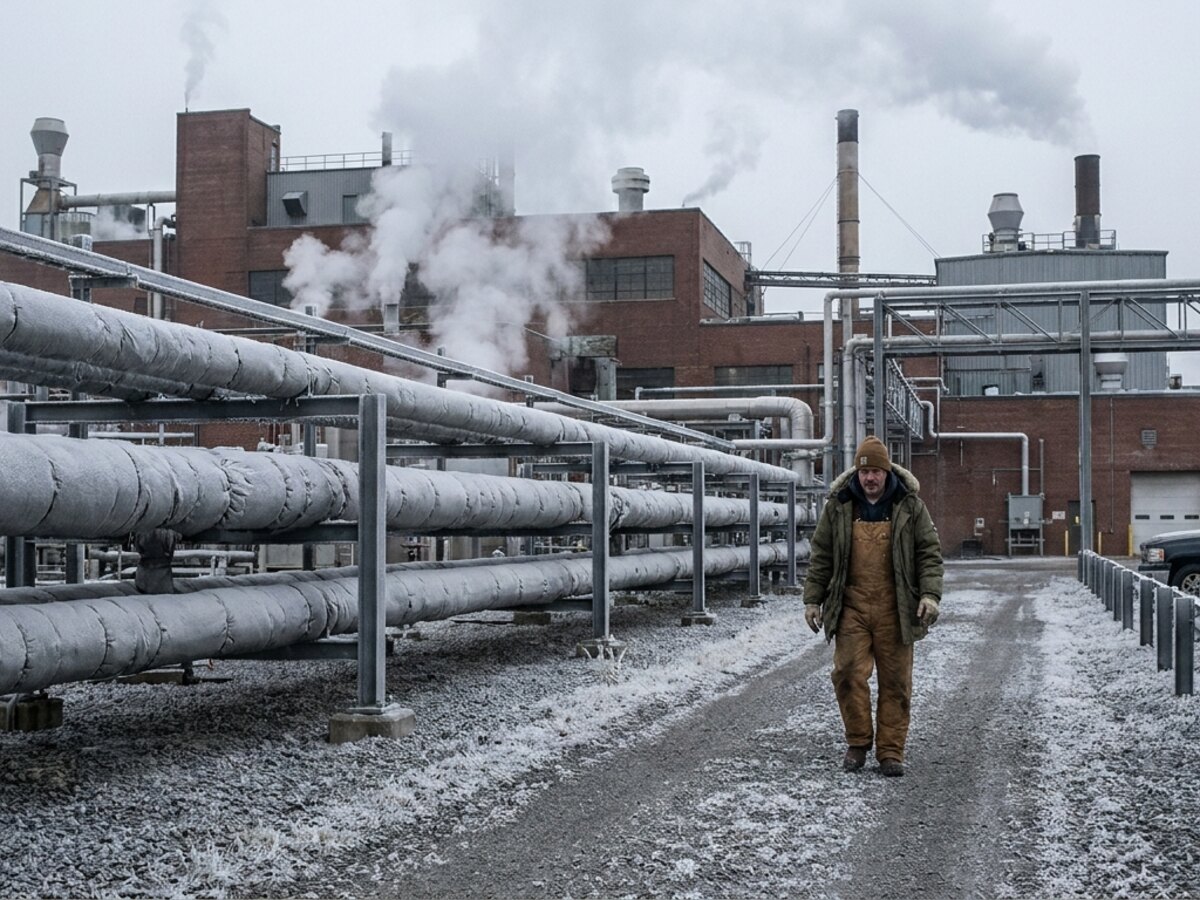
For Rochester, NY manufacturers, a frozen process line is not an inconvenience, it is a production stoppage with consequences that ripple through schedules, contracts, and customers. The team at Baker Mechanical Systems has responded to these failures, and the frustrating part is how predictable they usually are. The same lines freeze, in the same places, under the same conditions, year after year.
November is the last comfortable month to address freeze protection in Western New York. Below is a practical look at how Rochester manufacturers can protect process piping and how Baker Mechanical Systems supports that work.
Where Process Piping Freezes
Freeze failures concentrate in predictable locations. The Baker Mechanical team looks first at:
- Piping in unheated warehouses, mezzanines, and loading areas
- Exterior runs and rooftop piping
- Lines near dock doors that open repeatedly through a shift
- Dead legs and low flow branches serving intermittent equipment
- Piping in crawl spaces, tunnels, and marginally heated utility areas
- Sections where insulation was removed for maintenance and never restored
That last item is more common than most plants expect. Insulation removed for a repair in July is rarely reinstalled with winter in mind.
Why Low Flow Is the Real Risk
Piping that runs continuously is relatively protected. Risk concentrates where flow is intermittent or stagnant:
- Lines serving equipment used only on certain shifts
- Branches to seasonal or standby processes
- Piping isolated during a partial shutdown
- Dead legs left from equipment that was removed years ago
- Systems idled over a holiday shutdown period
Baker Mechanical Systems evaluates these conditions through process piping service for Rochester area manufacturers.
1. Insulation Condition and Coverage
Insulation is the first line of defense and the most commonly neglected. The Baker Mechanical team assesses:
- Missing sections, particularly at valves, flanges, and fittings
- Damaged or saturated insulation that no longer performs
- Jacketing failures allowing water infiltration
- Coverage appropriate to the actual exposure of each run
- Areas where insulation was removed and not replaced
Wet insulation is worse than none at all, because it holds moisture against the pipe while providing minimal thermal value.
2. Heat Trace Systems
Where insulation alone is insufficient, heat trace provides active protection, but only if it works. Baker Mechanical Systems verifies:
- Whether existing heat trace is energized and functioning
- Circuit condition and controller operation
- Coverage across the full length of vulnerable runs
- Whether protection has been extended to piping added since installation
- Sensor placement and control settings
Heat trace fails silently. A circuit that has been dead since last spring looks identical to one that is working, right up until the pipe freezes.
3. Drainage and Operational Practices
Some of the most effective freeze protection is procedural rather than physical. The Baker Mechanical team reviews:
- Which lines should be drained during idle periods
- Whether drain points exist and are accessible
- Procedures for shutdown periods and extended holidays
- Dead legs that could be removed permanently
- Documented responsibility for winter procedures
Removing an abandoned dead leg eliminates a freeze risk permanently, which beats protecting it every winter.
Act Before the First Hard Freeze
Freeze protection work is straightforward in November and considerably harder once temperatures drop and lines are in active winter service. Scheduling now avoids both the difficulty and the risk.
If your Rochester facility has process piping exposed to winter conditions, contact Baker Mechanical Systems to have it evaluated.
Coordinated With Plant Maintenance
Freeze protection is part of broader winter readiness. Baker Mechanical handles industrial maintenance alongside process piping, so heating systems, plant utilities, and process lines can be prepared through a single coordinated effort.
For plants planning a holiday shutdown, combining freeze protection with other maintenance makes efficient use of a window that is already scheduled.
Documentation That Carries Forward
Freeze vulnerabilities repeat annually, which makes records genuinely valuable. Baker Mechanical Systems documents:
- Vulnerable locations identified across the facility
- Insulation condition and work performed
- Heat trace circuits verified and any repairs made
- Recommended operational procedures for idle periods
- Items deferred and why
Next November, that record turns a full survey into a focused verification.
Why Local Experience Matters
Western New York winters combine sustained cold with wind and lake effect conditions that find every weakness in a building envelope. Baker Mechanical Systems has worked in Rochester area plants for decades, and our project history covers process piping across many industries.
That experience means knowing which conditions here actually cause failures, rather than applying a generic checklist.
Production That Runs Through Winter
A frozen line costs far more than the repair. It costs the production hours lost, the schedule disruption, and any product affected. Preventing that outcome is one of the highest return maintenance activities available to a Rochester manufacturer.
If you want your process piping ready before the cold sets in, contact Baker Mechanical Systems. The Baker Mechanical team will survey, protect, document, and keep your lines flowing through the winter.
‹ Back
Recent Posts
-
-
-
-

-
Roof Drains and Storm Piping: Surviving Leaf Season in Rochester, NY
October 22, 2026
