
Blog
Radiant and Hydronic Heating Troubleshooting for Rochester, NY Buildings
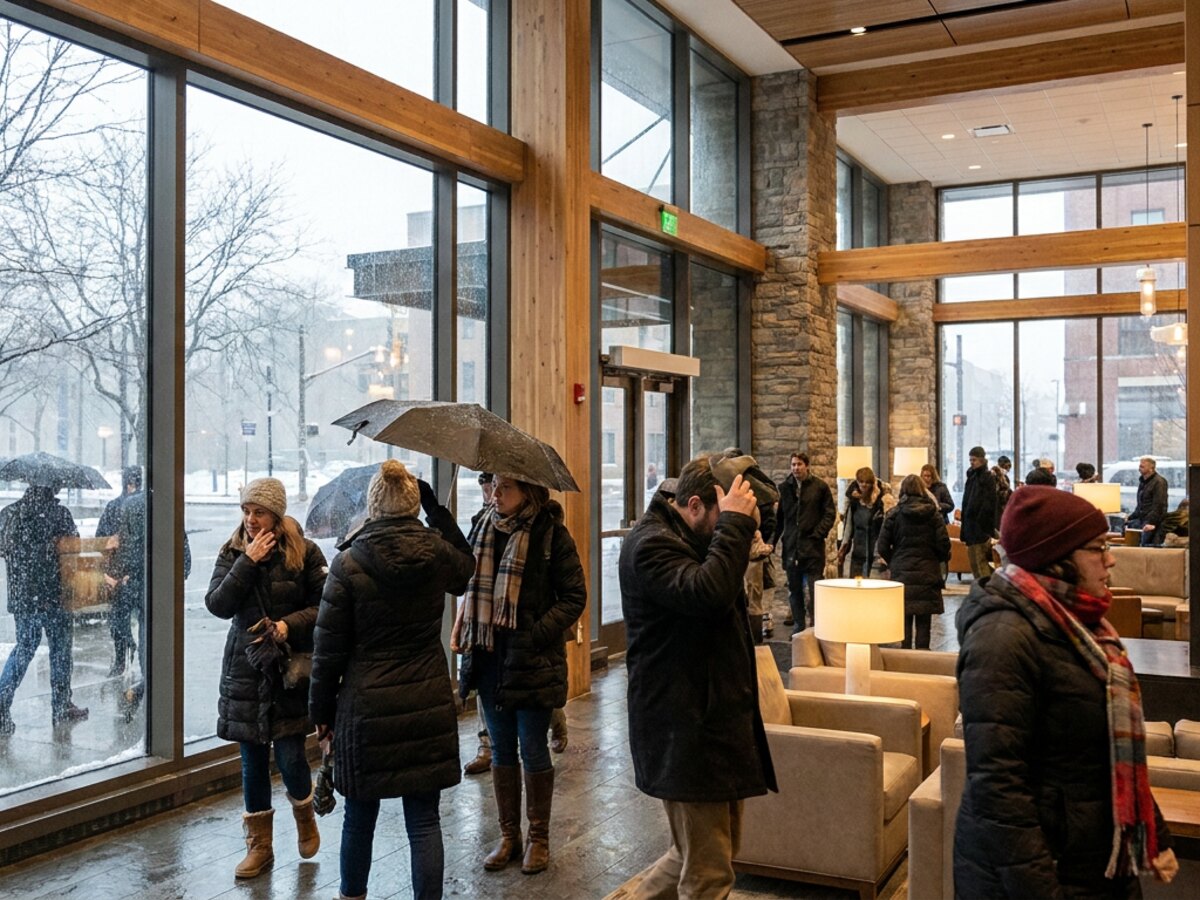
Hydronic heating is common throughout Rochester, NY, particularly in older commercial buildings, schools, and institutional properties where hot water and steam distribution have served reliably for decades. When these systems work, they are quiet, comfortable, and efficient. When they misbehave, the symptoms are frustratingly indirect. The team at Baker Mechanical Systems spends a good part of every November chasing complaints that trace back to problems nowhere near the room that feels cold.
Hydronic troubleshooting rewards a systematic approach and punishes guesswork. Below is a practical look at the most common failures Baker Mechanical Systems encounters in Rochester buildings and how they get resolved.
Why Hydronic Problems Are Hard to Locate
In a forced air system, the symptom is usually near the cause. In a hydronic system, water carries the problem across the building:
- Air trapped at a high point starves zones far from the boiler
- A failing circulator affects everything downstream of it
- A stuck valve in one zone changes flow through others
- Sediment and scale reduce transfer gradually across the system
- Balancing set years ago no longer matches current loads
The Baker Mechanical team works from the system outward rather than starting at the complaint, which is usually the fastest route to the actual fault.
Symptoms Worth Reporting
Facility staff often notice the useful clues first. Details that speed diagnosis include:
- Zones that never reach setpoint, or take far too long
- Gurgling, knocking, or banging in piping
- Radiators or baseboard warm at one end and cold at the other
- Frequent need to add makeup water to the system
- Boiler short cycling or running continuously
- Pressure or temperature readings outside their normal range
Baker Mechanical Systems addresses these conditions through commercial HVAC service across Western New York.
1. Air in the System
Air is the single most common cause of hydronic complaints, and one of the most fixable. The Baker Mechanical team looks at:
- Whether zones can be vented and how much air is present
- Air separation equipment and whether it is functioning
- Expansion tank condition and charge
- Why air is entering, since recurring air points to a leak or makeup issue
Venting a system solves the symptom. Finding why air keeps returning solves the problem.
2. Circulation and Flow
If water is not moving, heat is not moving. Baker Mechanical Systems evaluates:
- Circulator operation, and whether pumps are running as intended
- Zone valves that are stuck open or stuck closed
- Strainers and filters restricting flow
- Balancing across zones against current building use
- Piping restrictions from scale or sediment accumulation
Flow problems often masquerade as capacity problems, which leads buildings to consider replacing a boiler that was never the issue.
3. Water Quality and System Condition
Hydronic systems are closed loops, and what circulates in them matters over the long term. The Baker Mechanical team considers:
- Evidence of corrosion or sediment in the loop
- Frequent makeup water, which introduces oxygen and minerals
- Scale accumulation reducing heat transfer
- Component wear consistent with poor water condition
A system losing water is also gaining problems, so leak detection is often the highest value step in a troubleshooting visit.
Do Not Wait for Deep Winter
Hydronic problems get worse as outdoor temperatures fall, because a system compensating for a fault in November may be unable to keep up in January. Early diagnosis is meaningfully cheaper than emergency repair.
If zones in your Rochester building are not performing, contact Baker Mechanical Systems before the deep cold arrives.
Piping Expertise Behind the Diagnosis
Hydronic troubleshooting is as much a piping discipline as a heating one. Baker Mechanical handles commercial plumbing and piping work alongside HVAC, which means repairs identified during diagnosis can be executed by the same team rather than handed to another contractor.
On older Rochester buildings, where piping has been modified repeatedly over the decades, that combined capability shortens the path from finding a problem to fixing it.
Documentation That Prevents Repeat Visits
Hydronic faults recur when the underlying cause is never recorded. Baker Mechanical Systems documents:
- Symptoms reported and conditions measured
- The fault identified and how it was confirmed
- Corrective work performed
- System conditions after repair
- Recommended monitoring and follow up
These records matter because the next occurrence is often years later, long after anyone remembers what was done.
Why Local Experience Matters
Rochester has a large stock of buildings with hydronic systems that have been extended and modified across many decades. Baker Mechanical Systems has worked in those buildings for years, and our project history reflects the variety.
Familiarity with how these systems were built here, and how they have been changed since, makes diagnosis considerably faster.
Quiet, Even Heat All Winter
A properly functioning hydronic system is one of the most comfortable ways to heat a building. Getting there is usually a matter of methodical diagnosis rather than major capital work, and the payoff lasts the entire season.
If your Rochester building has hydronic zones that never quite perform, contact Baker Mechanical Systems. The Baker Mechanical team will diagnose, repair, document, and restore even heat throughout the building.
‹ Back
Recent Posts
-
-

-

Roof Drains and Storm Piping: Surviving Leaf Season in Rochester, NY
October 22, 2026
-
-