
Blog
Spring Fire Sprinkler Inspections in Rochester, NY: What Building Owners Need to Document
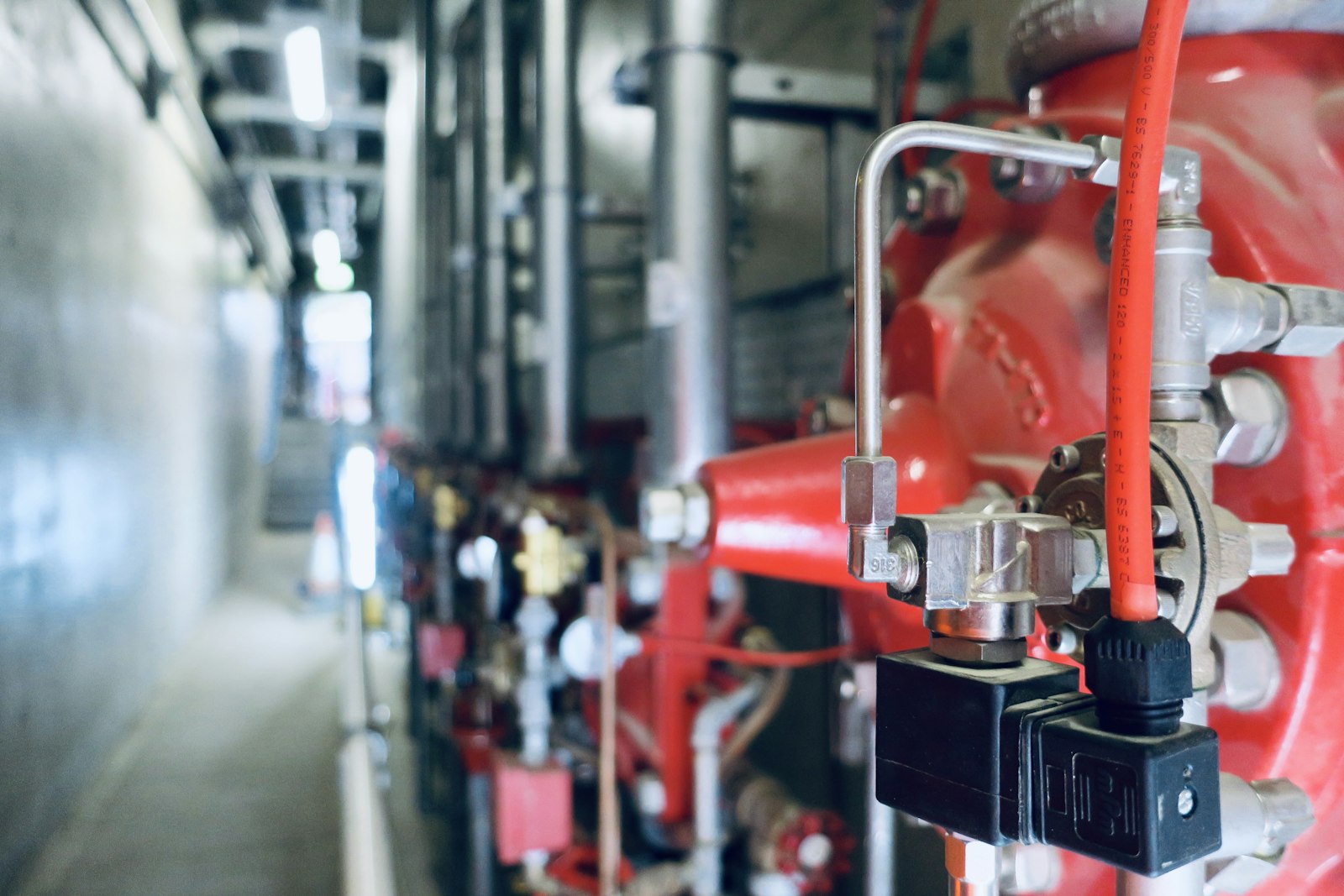
Fire sprinkler inspections are not optional. They are a code-driven, insurance-driven, and life-safety-driven obligation for every commercial property in Rochester, NY. What distinguishes a well-managed building from a poorly managed one is not whether the inspections happen — it is the quality of the documentation that supports them. Baker Mechanical Systems has spent decades helping Rochester commercial property owners build inspection records that hold up under regulatory review, insurance audit, and property due diligence.
Spring is the operational sweet spot for fire sprinkler inspections in Rochester. Heating systems are winding down, cooling systems are starting up, and the building has just survived its hardest stretch of seasonal stress. It is also the time when fire system deficiencies caused by winter conditions become most visible. Below is a clear breakdown of what proper spring fire sprinkler inspections involve — and what every Rochester building owner should be documenting.
Why Spring Is the Right Window for Fire Sprinkler Inspections
Cold weather puts unique stress on fire sprinkler systems, particularly those with dry pipe components or exposure to unheated spaces. The Baker Mechanical team commonly finds winter-related issues that only become apparent during a thorough spring inspection:
- Frozen or partially frozen branch lines that need pressure verification
- Compromised antifreeze loop concentrations
- Corrosion accelerated by condensation cycles
- Sprinkler heads damaged by ice loading or mechanical impact
- Backflow assemblies showing wear from temperature swings
Identifying these conditions in spring leaves time for repair before summer occupancy peaks and before the next winter introduces new stress. Baker Mechanical Systems builds spring inspection schedules around exactly that timing.
The Inspection Categories That Matter Most
NFPA 25 establishes inspection, testing, and maintenance requirements for water-based fire protection systems. While the standard is detailed, commercial property owners should understand the inspection categories most relevant to their building.
1. Visual Sprinkler Head Inspection
Every sprinkler head in the building must be visually inspected for:
- Corrosion or pitting
- Mechanical damage
- Paint coverage that compromises function
- Loading or obstruction
- Proper temperature rating for the space
Heads that fail any of these criteria must be replaced. Baker Mechanical’s technicians document the location and condition of every flagged head as part of the inspection report.
2. Control Valve Verification
Fire system control valves must be inspected and exercised. Documentation should confirm:
- Each valve is in the correct open or closed position
- Valves are properly chained, locked, or sealed
- Tamper switches are operational
- Identification labels are present and legible
A misaligned control valve is one of the most common reasons fire systems fail when needed. Baker Mechanical Systems treats valve verification as a non-negotiable part of every inspection.
3. Gauge and Pressure Readings
Pressure gauges must be inspected for accuracy and recorded. Findings should include:
- System pressure readings at all gauge locations
- Any abnormal pressure drops since the last inspection
- Gauge calibration status (typically 5-year replacement cycle)
- Verification that gauges are not damaged or fogged
Pressure trends over multiple inspections often reveal slow-developing issues before they become emergencies. Baker Mechanical’s documentation tracks these readings year over year.
4. Alarm and Supervisory Device Testing
Fire alarm and supervisory devices must be tested per NFPA schedules. This includes:
- Water flow alarm activation testing
- Tamper switch verification
- Low-pressure and low-air alarms on dry systems
- Coordination with the building’s fire alarm panel
Baker Mechanical coordinates alarm testing with the property’s fire alarm provider so that all signaling is verified end-to-end, not just at the sprinkler riser.
5. Backflow Preventer on the Fire Service
The dedicated backflow assembly protecting the fire water connection must be tested annually. Baker Mechanical Systems handles both sides of this requirement — the plumbing-side certification and the fire system documentation — in a single coordinated visit.
6. Main Drain Test
The main drain test verifies water supply to the system and identifies any drop in available water pressure. Documentation should include:
- Static pressure reading
- Residual pressure reading during full flow
- Comparison to baseline readings from prior years
- Any flagged conditions requiring further investigation
A significant pressure drop compared to baseline often indicates a partially closed valve or developing supply issue.
What Building Owners Should Be Documenting
Insurance carriers, AHJ inspectors, and prospective buyers all expect to see a complete inspection record. Baker Mechanical Systems provides documentation that includes:
- Date of inspection and technician credentials
- Itemized findings by component
- Repair recommendations with priority levels
- Photographic documentation of any deficiencies
- Confirmation of any repairs performed during the visit
- Submission to the AHJ where required
Properties that maintain consistent year-over-year documentation typically experience smoother inspections, faster insurance underwriting, and stronger valuations during property transactions.
Common Deficiencies the Baker Mechanical Team Sees in Spring
Spring fire sprinkler inspections in Rochester reliably surface several recurring issues:
- Sprinkler heads obstructed by storage that shifted over winter
- Control valves left closed after seasonal heating system work
- Air compressor issues on dry pipe systems
- Corrosion at exposed pipe joints in unheated spaces
- Tamper switches with weakened battery backup
None of these issues prevent a system from passing visual review at a glance. All of them can compromise system response when an actual fire event occurs.
How Spring Inspections Connect to the Broader Fire Protection Program
Annual inspections are one element of a complete fire protection program. The Baker Mechanical team integrates inspection with broader fire protection services including system design support, sprinkler retrofits, dry system air maintenance, and emergency repair response.
Properties that bundle inspection with ongoing fire protection service typically experience fewer surprises and lower lifetime costs. The relationship lets Baker Mechanical maintain a complete history of the system rather than starting from scratch each year.
Coordinating Inspections With Other Building Systems
Fire sprinkler systems do not operate in isolation. They share infrastructure with the building’s plumbing, depend on the building’s electrical systems for alarm function, and intersect with HVAC equipment in mechanical rooms. Baker Mechanical Systems handles fire protection alongside commercial plumbing and HVAC services, which means coordination across systems happens internally rather than between separate vendors.
This integrated approach reduces scheduling friction and ensures that work in one trade does not inadvertently compromise another system.
Working With a Local Fire Protection Partner
Rochester’s climate, building stock, and code environment make local experience valuable. Baker Mechanical Systems has spent decades inspecting and maintaining fire sprinkler systems across Western New York commercial properties — from small office buildings to large industrial facilities. Our project history reflects that range, and our inspection process is shaped by the specific patterns we have observed in regional buildings.
Building an Inspection Record That Holds Up
Fire sprinkler inspections protect lives, property, and operational continuity. The documentation that supports those inspections protects the building owner’s position in audits, sales, insurance reviews, and regulatory inquiries. The Baker Mechanical team treats both sides of that responsibility with equal seriousness.
If your Rochester, NY commercial property is approaching its annual fire sprinkler inspection, contact Baker Mechanical Systems to schedule. We will inspect the system, document the findings, coordinate any repairs, and deliver records that meet code, insurance, and ownership expectations.
‹ Back
Recent Posts
-

Roof Drains and Storm Piping: Surviving Leaf Season in Rochester, NY
October 22, 2026
-
-

-
-