
Blog
Winterizing Fire Protection: Preventing Frozen Sprinkler Pipes in Rochester, NY
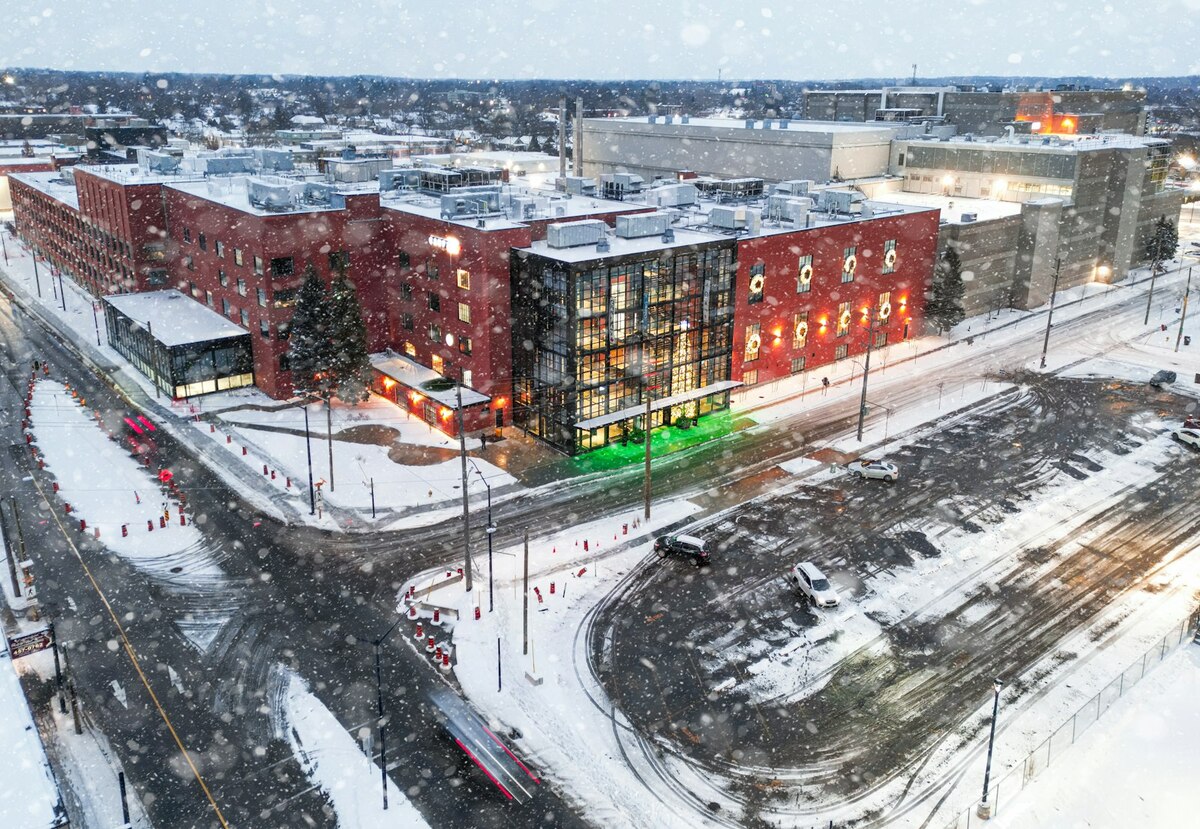
Fire protection systems are designed to deliver water in an emergency, but in Rochester, NY, that water-filled infrastructure faces its own seasonal threat: freezing. A frozen sprinkler pipe can crack and burst, causing water damage, disabling the fire protection system, and creating both a property and a life-safety problem at once. The team at Baker Mechanical Systems has spent decades protecting fire protection systems through Western New York winters, and the principle is clear: a fire protection system that freezes is both a flood risk and a fire risk, and fall is the time to prevent it.
Winterizing fire protection is a specialized task that balances two requirements that can seem at odds: the system must remain ready to deliver water in a fire, while being protected from freezing in the cold. Below is a practical look at how Rochester commercial buildings should approach fire protection winterization, and how Baker Mechanical Systems handles the work.
Why Fire Protection Systems Are at Risk
Fire sprinkler and standpipe systems contain water or are connected to water supplies, which makes them vulnerable to freezing in specific conditions:
- Wet sprinkler systems contain water that can freeze in cold areas
- Pipes in unheated spaces are especially vulnerable
- Areas near exterior walls, roofs, and entries face cold exposure
- A frozen pipe can burst, flooding the building and disabling protection
- The failure compromises fire safety precisely when it is needed
A frozen, burst sprinkler pipe is among the worst outcomes a building can face, combining water damage with loss of fire protection. The Baker Mechanical team approaches winterization to prevent both at once.
How Fire Protection Is Winterized
Protecting fire protection systems from freezing requires understanding the system type and its vulnerabilities. Baker Mechanical Systems addresses winterization through fire protection services that include:
- Identifying freeze-vulnerable portions of the system
- Verifying heating in areas with wet system piping
- Confirming proper operation of dry systems where present
- Checking antifreeze systems where they are used
- Ensuring the system remains ready while protected from cold
Each system type has its own winterization needs. The Baker Mechanical team addresses them based on the specific configuration of each building.
1. Wet Systems and Heating Verification
Wet sprinkler systems, the most common type, contain water at all times, which means the spaces holding their piping must stay above freezing. The Baker Mechanical team focuses on:
- Verifying heat in all areas containing wet system piping
- Identifying spaces where heating may be insufficient
- Addressing vulnerable piping near cold exposure points
- Coordinating with building heating reliability
For wet systems, keeping the space warm enough is the core of freeze protection. Verifying that heating before winter is essential.
2. Dry and Antifreeze Systems
Some areas use dry-pipe or antifreeze systems specifically because they are subject to freezing. These systems require their own verification. Baker Mechanical Systems checks:
- Dry system operation and air pressure where present
- Proper drainage of low points that can trap water
- Antifreeze system condition and concentration where used
- That these specialized systems will function as designed
Dry and antifreeze systems are engineered for cold areas, but only perform when properly maintained. Verifying them in fall confirms they are ready for winter.
3. Vulnerable Points and Cold Exposure
Certain points in any fire protection system face elevated freeze risk, and identifying them is key to prevention. The Baker Mechanical team inspects:
- Piping near exterior walls, roofs, and entries
- Areas where heat may not reach adequately
- Low points where water can collect
- Any history of freeze issues in the system
Addressing these vulnerable points before winter prevents the localized freezing that causes most fire protection freeze failures.
The Stakes of a Frozen Fire Protection System
A frozen fire protection system fails in the worst possible way: it floods the building with water damage while simultaneously losing the ability to protect against fire. The combination of property damage, operational disruption, compliance violation, and compromised life safety makes this one of the most serious preventable failures a building can face. Baker Mechanical Systems approaches winterization with the seriousness this dual risk demands.
If your Rochester commercial building's fire protection system has not been winterized for the season, scheduling that work in fall is essential. Contact Baker Mechanical Systems to arrange fire protection winterization.
How Fire Protection Connects to the Whole Building
Fire protection winterization is closely tied to building heating and plumbing, since all depend on keeping vulnerable areas above freezing. Baker Mechanical handles commercial HVAC alongside fire protection, which means heating reliability in areas with fire protection piping can be addressed through one coordinated relationship.
This integrated approach matters because fire protection freeze risk is ultimately a question of heating and exposure, one that spans multiple building systems.
Documentation That Supports Compliance
Fire protection winterization benefits from documentation that supports both readiness and compliance. Baker Mechanical Systems delivers records that include:
- Identification of freeze-vulnerable areas
- Verification of heating in wet system areas
- Dry and antifreeze system checks where applicable
- Protection measures applied
- Records organized for inspection and compliance review
These records support fire protection compliance and demonstrate that the system is protected and ready.
Why Local Experience Matters
Rochester's severe winters create real freeze risk for fire protection systems, and protecting them requires understanding both fire protection and Western New York's climate. Baker Mechanical Systems has built decades of experience winterizing fire protection systems across the region, and our project history reflects extensive fire protection work across many building types.
Local experience means knowing where fire protection systems freeze in Rochester and how to protect them while keeping them ready.
Protected and Ready for Winter
A fire protection system that has been properly winterized enters the cold season protected from freezing while remaining ready to perform in a fire. Achieving both is the goal of fall winterization, and it prevents one of the most damaging failures a building can face.
If your Rochester commercial property has fire protection systems that need winterizing, contact Baker Mechanical Systems. The Baker Mechanical team will inspect, protect, document, and recommend, keeping your fire protection system safe and ready through the winter ahead.
‹ Back
Recent Posts
-
-

-

Fall Boiler Startup & Inspection for Rochester, NY Commercial Buildings
September 2, 2026
-
-
Compressed Air System Efficiency for Rochester, NY Manufacturers
August 26, 2026
